Interior Design Trends 2026: Ten Looks Worth Living With
Ten interior directions that survived a year of real homes, rental flats and family kitchens, chosen for how they age rather than how they photograph on launch day.
What makes an interior trend last
Lasting trends solve a practical problem or satisfy a durable human preference. Warmth, daylight, storage and comfortable seating are not seasonal. A metallic wall or a saturated colour can be beautiful, but it is a decision with a short shelf life and a long repaint. In 2026 the strongest direction is quieter: fewer finishes, better materials and rooms that adapt to how people actually live.
We compared current interiors against the previous five years of design publishing, then removed anything that only worked with professional styling. The EPA indoor air quality guidance also informed our notes on paints, sealants and textiles. Our interior design section covers room-by-room planning.
Warm minimalism, not empty minimalism
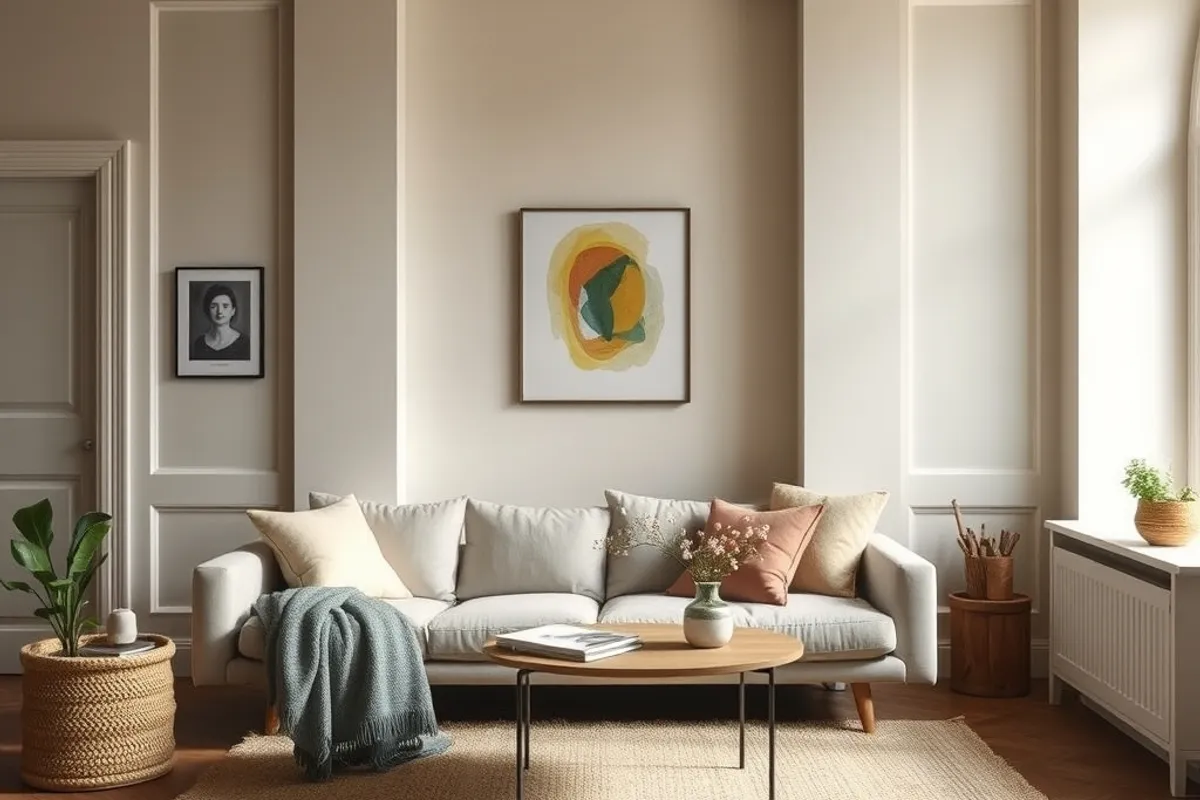
The minimal rooms that feel good are not bare. They use a restrained palette, but they layer texture: limewash walls, a wool rug, a linen shade and a grained timber table. The effect is calm without feeling like a showroom. Keep the number of hard, reflective surfaces low. In a living room, one large rug and one soft chair do more for comfort than a dozen decorative objects.
Warm minimalism also hides mess better than stark white minimalism, because mid-tone walls and textured surfaces tolerate shadows and everyday wear. Choose a washable finish in halls and kitchens, and keep the purest finishes for low-traffic rooms. If you rent, apply the same idea with freestanding furniture, lamps and textiles rather than permanent changes.
Natural materials and visible grain
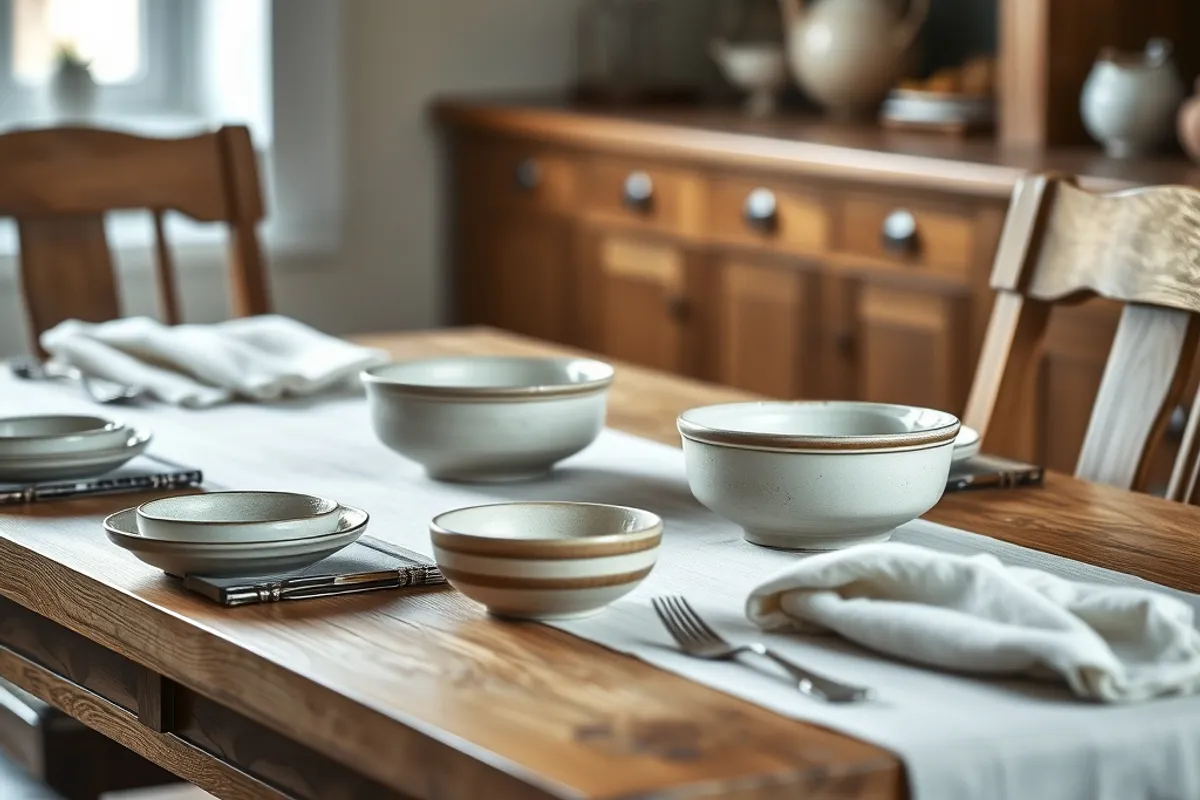
Oak, ash, rattan, stone and unglazed clay remain the materials buyers and renters respond to most consistently. They age visibly, which is part of the appeal, and they can be repaired rather than replaced. A solid timber table with a few marks is more forgiving than a veneered top that chips at the edge. Look for FSC-certified timber and ask where stone and tiles were sourced.
Use natural materials where you touch them: worktops, handles, chair arms and floors. A little goes a long way. One timber element in a pale room creates warmth; five different wood tones create noise. Repeat the same species and finish across the room, and let the grain provide the pattern instead of adding another print.
A trend is worth following only if the room still works when the trend has gone.
Soft edges and rounded shapes
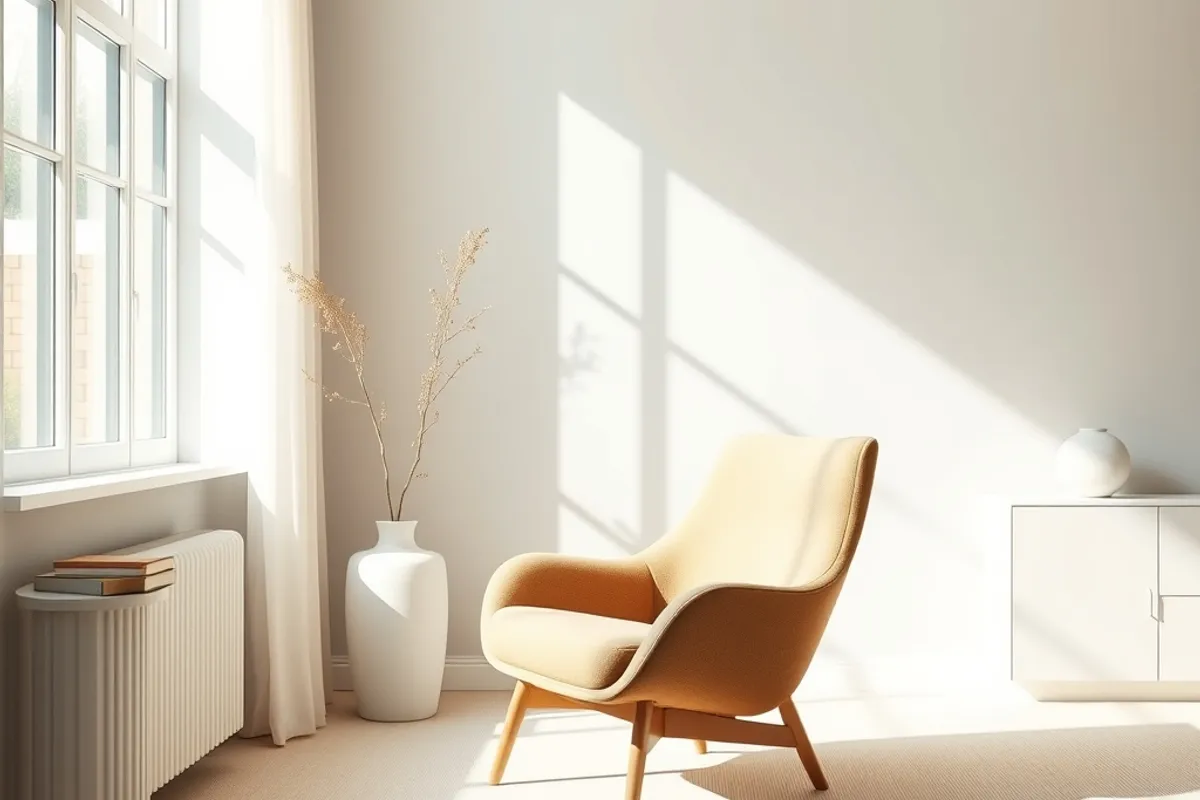
Rounded chairs, arched mirrors and curved sofa arms soften small rooms and reduce the visual hardness of boxy architecture. The trend works best when the curve has a job: an arch that frames a doorway, a rounded table that lets people pass, a chair that is comfortable to sit in from more than one angle. Avoid filling a room with curves that collide or block circulation.
Check the dimensions before ordering. A rounded chair can take more floor space than its seat suggests, and a curved sofa may not sit flush against a wall. Tape the outline on the floor and leave at least 70 cm for main walkways. If the room is narrow, use one curved piece as a focal point and keep everything else rectangular and simple.
Earthy colour with one clear accent
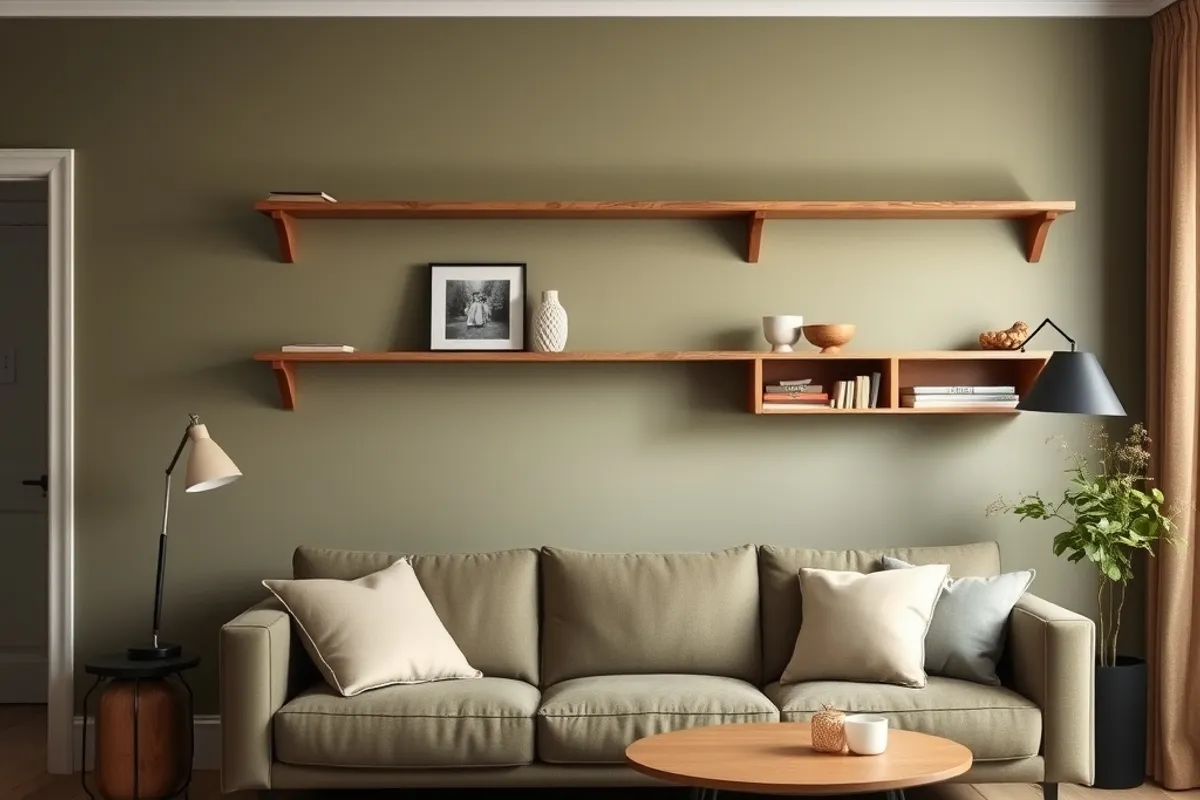
Clay, olive, ochre, mushroom and deep brown continued to replace cool grey as the default palette. These colours are forgiving in artificial light and work with timber. Pick one dominant neutral, one darker tone for anchor surfaces and one accent that you genuinely like. A room with three competing accents feels smaller than a room with two quiet ones and a single repeat.
Test paint on the wall, not on a tiny swatch. Light changes colour through the day, and a shade that looks warm in a south-facing room can turn green in a north-facing one. Paint large samples on two adjacent walls and live with them for a week. Keep the ceiling lighter than the walls unless you have good height and deliberate lighting.
Small-space thinking goes mainstream
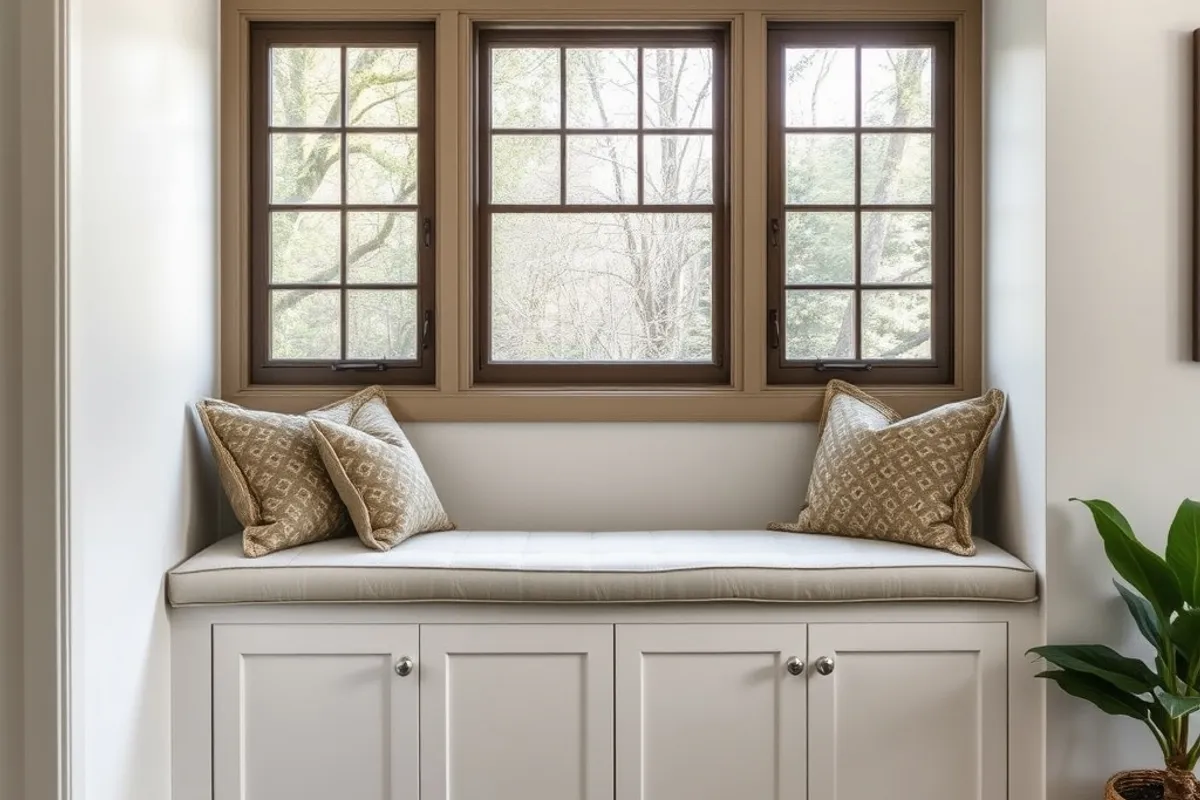
Foldaway desks, slim storage and dual-purpose furniture are no longer only for apartments. Family homes are using the same ideas to make a spare room work harder. The key is to buy furniture that is comfortable in its main job. A sofa bed that is painful to sleep on is not a guest solution; it is a daily reminder of a false economy. Choose one good mechanism rather than three clever ones.
Keep a clear route through each room and store vertically. A full-height cupboard with shallow shelves usually beats a deep chest. Use the space above doors and under beds. If you are planning built-ins, measure the largest item you need to store and design around it rather than around an idealised collection. Good storage is the least visible trend and the one you will notice every day.
How we chose these trends
We reviewed recent interiors, trade catalogues, material samples and cost data, then dropped ideas that required constant restyling or expensive maintenance. The final list favours changes that can be made in stages and reversed without tearing out a room. Prices are indicative 2026 ranges, not quotes.
Start with the room that annoys you most, not the one visitors see first. If space is the problem, read our small living room guide before buying furniture. The right layout is cheaper than a new sofa.