How to Value a House Before Buying: Eight Essential Checks
A house is worth what a careful buyer can prove it is worth, not what the listing says. These eight checks turn a viewing into a defensible valuation.

Build a comparable set that actually matches
Start with three to five homes that sold on the same street or within a short walk in the last six months. Match property type, floor area, bedroom count and condition as closely as you can. A three-bedroom house across a main road is not a direct comparable for a quiet cul-de-sac, even if the listing agent says it is. Adjust the sold price for differences in size, plot, parking and condition rather than simply averaging the numbers.
Public records and local agent databases are useful, but verify the sale date and the final price. The Consumer Financial Protection Bureau explains how appraisals and lending valuations work, which helps you understand what a bank will accept. Our real estate section covers the buying process step by step.
Separate asking prices from sold prices
Asking prices are marketing decisions. Sold prices are evidence. In a slow market, the gap between the two can be 5 to 10 percent or more. Look at days on market and price reductions as well as the final figure. A house that sold quickly at asking may have been underpriced; one that sat for four months and then sold may tell you more about the ceiling than the floor.
Check whether the sale was a normal open-market transaction. Family transfers, auctions and distressed sales can distort the picture. If most recent sales in the area are renovations or new builds, adjust for specification. Keep a simple spreadsheet with address, date, size, condition and adjustment notes. The act of writing the adjustments down exposes assumptions you would otherwise carry into an emotional decision.
Price the condition, not the decor
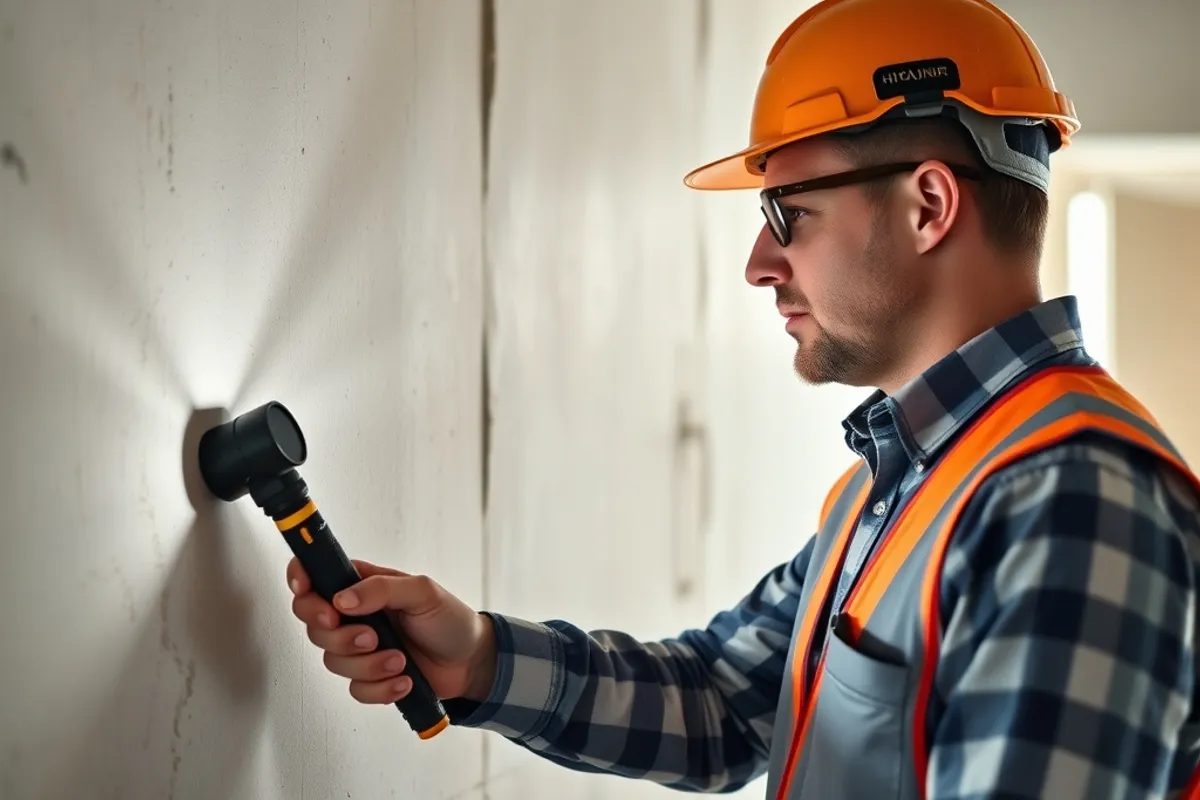
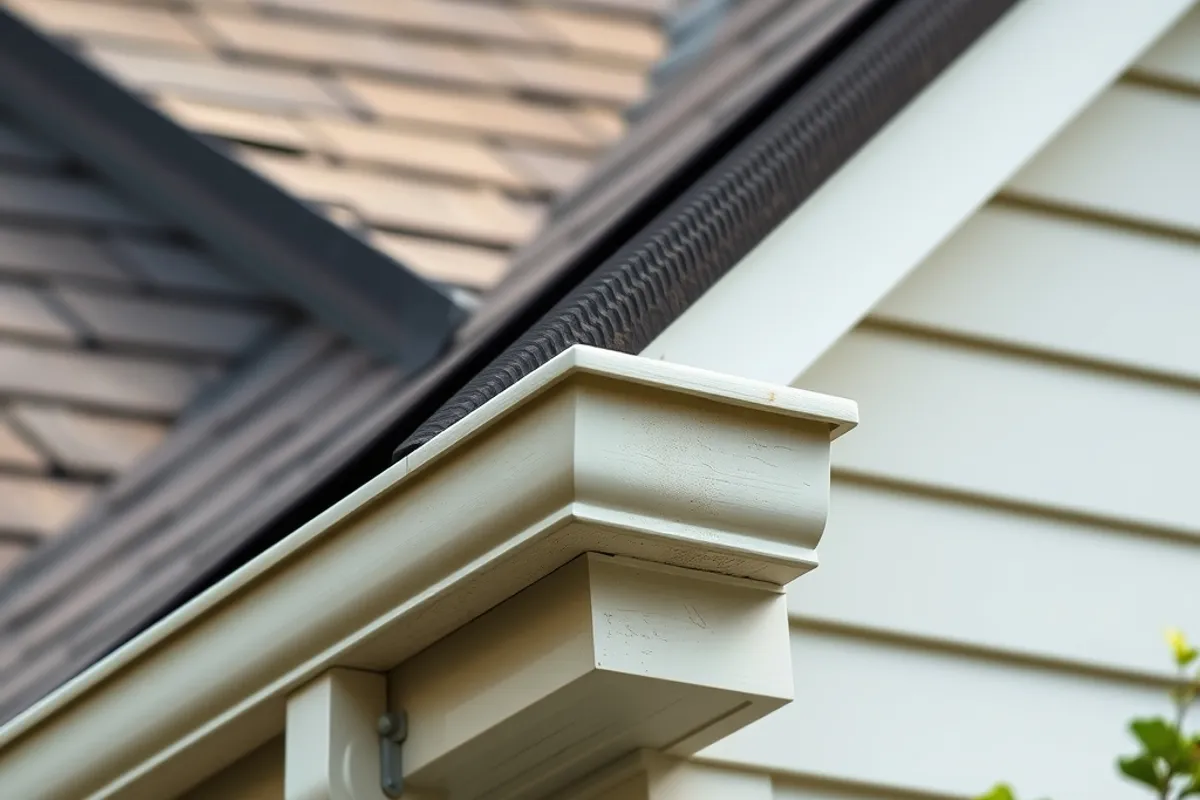
Decor is cheap to change; structure is not. A dated kitchen may cost 15,000 to 30,000 dollars to replace, while a failing roof might cost 12,000 to 25,000 and a wet basement can run far higher once drainage and internal repairs are included. Get a building survey and ask the inspector to separate immediate safety work, repairs needed within two years and longer-term maintenance. Use those figures as deductions in your offer.
Look for signs that are easy to miss: sloping floors, cracks that follow a pattern, damp smells in cupboards, recent paint over stains and windows that no longer close. Ask when the boiler, roof and electrical board were last replaced, and request receipts. A seller who cannot document recent work is not necessarily hiding something, but the risk belongs in your price.
A valuation is a set of deductions and adjustments, not a feeling created by good staging.
Check title, permits and boundaries
A beautiful house with unclear ownership is not a bargain. Ask for the title report and read the exceptions. Check that extensions, loft conversions and garden structures have the required permits and sign-off. Unpermitted work can be regularised, but the cost and delay belong to you. Boundaries should match the plan; fences and hedges are not proof of ownership.
Look for rights of way, shared drains, restrictive covenants and future development plans nearby. Local planning records are public in many places, and a search can reveal a proposed road widening or a large permitted scheme next door. The US Department of Housing and Urban Development publishes buyer guidance that covers some of these checks. If anything is unclear, make the offer conditional on satisfactory legal review.
Put running costs in the model
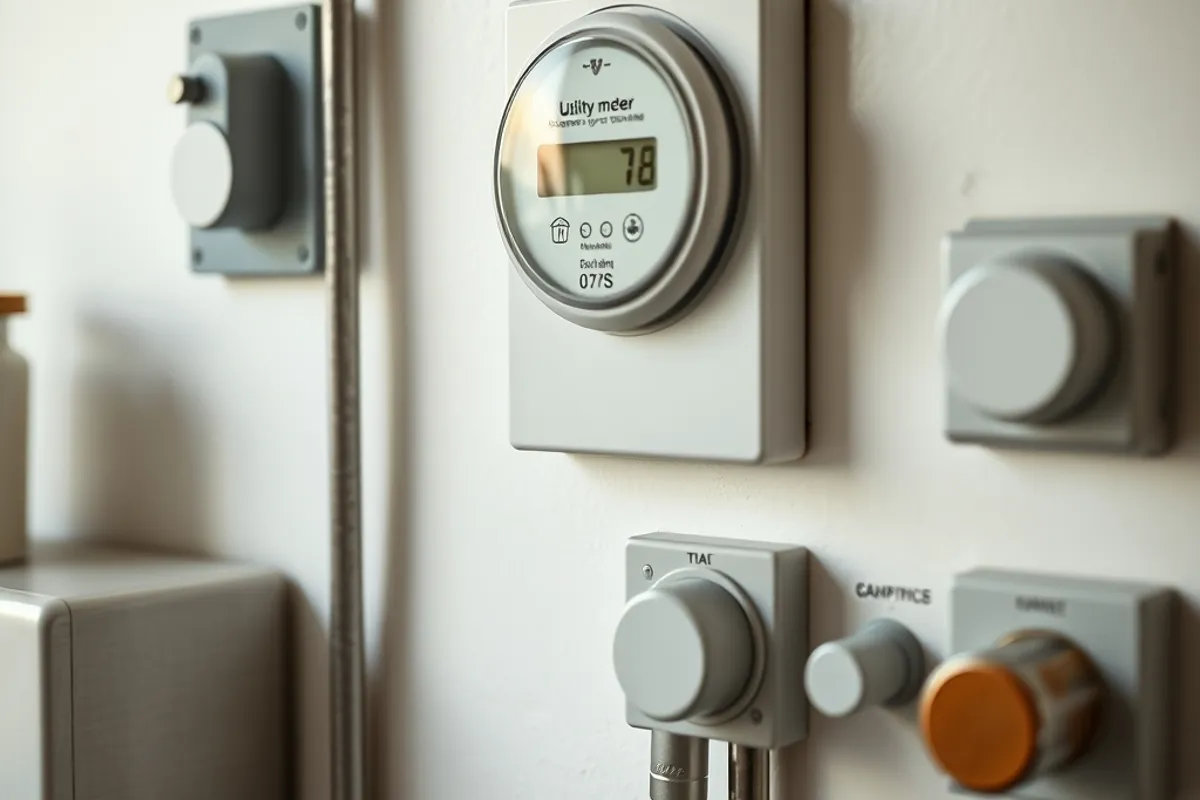
A cheap house with high heating, insurance or commute costs is not cheap. Ask for annual utility bills and council or property tax statements. Check the energy rating and the age of the heating system. Add insurance, maintenance and any service charges to your monthly budget before you decide what you can afford. A 200 dollar monthly energy difference is worth roughly 30,000 dollars of borrowing at current rates over a long term.
Factor in the commute as money and time. Two houses at the same price can differ by thousands a year in transport. If the property needs a car where you had planned to use transit, include purchase, insurance and parking. These costs cannot be negotiated away after completion, so they should shape the price you are willing to pay now.
Use the evidence in negotiation
Make an offer supported by a short schedule: comparable sales, repair estimates and any legal or planning costs. Sellers respond better to specific numbers than to a vague request for a discount. Decide your walk-away price before you start and write it down. In a competitive market you may choose to waive some conditions, but do not waive the survey or legal check unless you can carry the risk without damaging your finances.
Ask for repairs to be completed before completion or for a credit at closing, and confirm who will inspect the work. A verbal promise is not a contract. Keep every amendment in writing and make sure your lender knows about any change that affects the price or the condition of the property. The goal is not to win the negotiation; it is to own a house whose true cost you understand.
How we built this checklist
We combined standard valuation practice with the issues that most often surprise buyers after completion: drainage, unpermitted work, title exceptions and running costs. The repair ranges are 2026 estimates from contractor quotes and published cost guides, not quotes for a specific house. Local prices vary, so replace our ranges with yours.
A valuation is only as good as the evidence behind it. If you are still choosing an area, read our guide to the best cities for first-time buyers, then return to this checklist when you have a specific property in view.