Best Cities for First-Time Home Buyers in 2026
Ten smaller cities where a first home is still reachable on a normal salary, judged on price, deposit, transport, jobs and the costs that never appear in a listing.
How we compared the cities
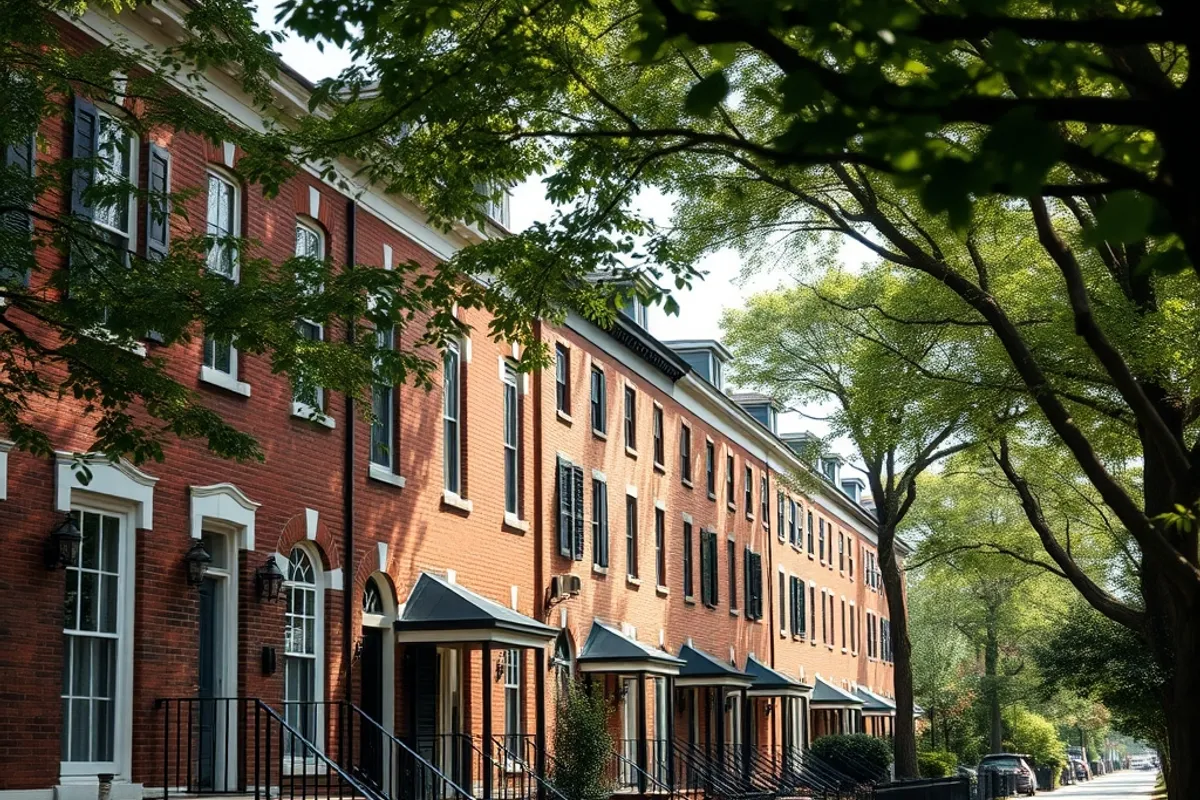
We looked at median home price against local median income, the size of a typical deposit, monthly property tax and insurance, commute times and the breadth of local employment. We also checked whether the city has a functioning core rather than a set of disconnected suburbs. A low price is not useful if the only jobs are an hour away and the house needs a new roof.
Our shortlist leans toward mid-sized cities where the housing stock is older but the infrastructure works. The US Census Bureau housing data provided the baseline for prices and incomes, and we adjusted for 2026 conditions. Browse the real estate section for the buying checks that follow.
The affordability leaders
Pittsburgh, Cleveland, Buffalo and Indianapolis consistently appeared near the top of our price-to-income screen. Each has neighbourhoods where a modest three-bedroom house remains within reach of a single income, though the cheapest streets often need work. Pittsburgh offers a strong university and healthcare base; Cleveland has a compact downtown and a wide stock of brick homes; Buffalo has seen renewed investment but still has affordable pockets; Indianapolis combines steady employment with relatively low property taxes.
The trade-off is condition. Many affordable houses were built before 1960 and need wiring, windows or drainage work. Budget 10 to 15 percent of the purchase price for immediate repairs, and do not skip the survey to win a bid. A cheap house with a failed sewer line is not affordable.

Where jobs broaden the base
Kansas City, Columbus and Minneapolis offer more varied labour markets, which matters if you might change jobs without moving. They also have established transit and walkable districts, although prices have risen in the most popular neighbourhoods. Look at the second ring of suburbs and the older industrial edges, where smaller homes and good road links often cost less than the fashionable core.
Check the commute at rush hour, not on a Sunday. A 25-minute drive on a map can become 50 minutes in traffic. If you rely on public transport, test the actual route to your workplace and the frequency after 7pm. A city with a good job base is only useful if you can reach it reliably from the house you can afford.

The best first city is not the cheapest one; it is the one where you can still find work, friends and a plumber.
Deposits, closing costs and reserves
A 10 percent deposit is common for first-time buyers, but it is not the whole bill. Closing costs, legal fees, inspections, moving and immediate repairs can add another 4 to 7 percent of the purchase price. On a 250,000 dollar house that is 10,000 to 17,500 dollars before you own a single piece of furniture. Keep a separate repair reserve of at least 1 percent of the property value per year.
First-time buyer programmes can reduce the deposit or provide down-payment assistance, but they have income limits, location rules and sometimes a higher interest rate. Read the terms and compare the total cost over the fixed period. The HUD buyer resources list counselling agencies that can explain local schemes without charging a sales fee.
Neighbourhoods that hold their value
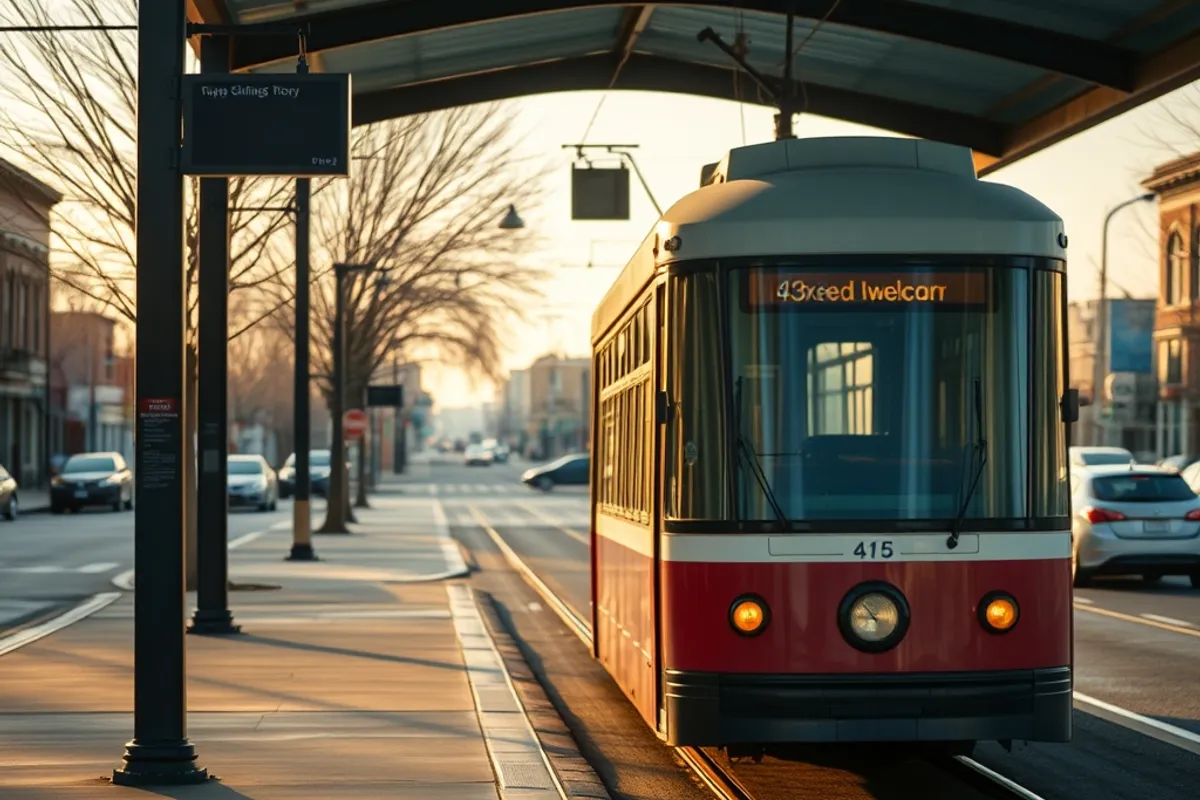
Look for a mix of owner-occupiers, rental demand and everyday services within walking distance. A school, a grocery store, a pharmacy and a bus stop do more for resale than a new coffee shop. Check vacancy, recent sales and whether the street has a history of quick flips. Too many investor-owned homes can make it harder to get a mortgage or insurance in some areas.
Visit at different times, including a weekday evening. Talk to neighbours about noise, parking and flooding. Check the local flood map and ask whether the basement has ever taken water. A house on a pretty street can still sit in a drainage hollow. These checks take a weekend and can save you from a decade of damp problems.

The cities we would skip for now
We would be cautious about markets where prices have doubled in three years while local incomes have barely moved. The same applies to cities built around a single employer or a single industry. If the main plant closes, the housing market does not adjust gently. Very remote towns with cheap houses can also fail the practical test: limited jobs, expensive insurance and few tradespeople to maintain the property.
That does not mean every expensive city is a bad choice. If you have secure work, family support and a long horizon, a higher price may be rational. But for a first purchase with a limited reserve, choose a city where a normal income can still carry the mortgage, the taxes and a surprise repair without a second job.
How we scored and what we left out
Each city received a score for price-to-income ratio, deposit burden, property tax, insurance, employment diversity and transit. We weighted affordability and employment most heavily because they determine whether a first buyer can stay after the first five years. The list is a starting point, not a ranking of quality of life.
Once you shortlist a city, value the individual house rather than the postcode. Our guide to valuing a house before buying shows how to price condition, title and running costs into the offer.