Best Home Improvement Projects 2026: Nine Upgrades That Pay Back
Nine upgrades ranked by what they return, what they cost and how much chaos they create, using 2026 trade prices and resale evidence rather than showroom optimism.
What payback really means in 2026
Payback is not a single national number. It depends on your street, your buyer and the age of the house. A new kitchen can return most of its cost in one neighbourhood and almost none in another where every home already has one. Start with the items surveyors flag and buyers price in: water ingress, old wiring, failed windows and a tired bathroom. Those fixes protect the building and remove negotiation ammunition.
Use local sold prices, not asking prices, to judge what buyers actually pay for. The US Department of Energy also publishes practical guidance on efficiency measures, which helps separate real running-cost savings from sales claims. Our home improvement hub groups the cost guides by project type.
Kitchens and bathrooms, without moving pipes
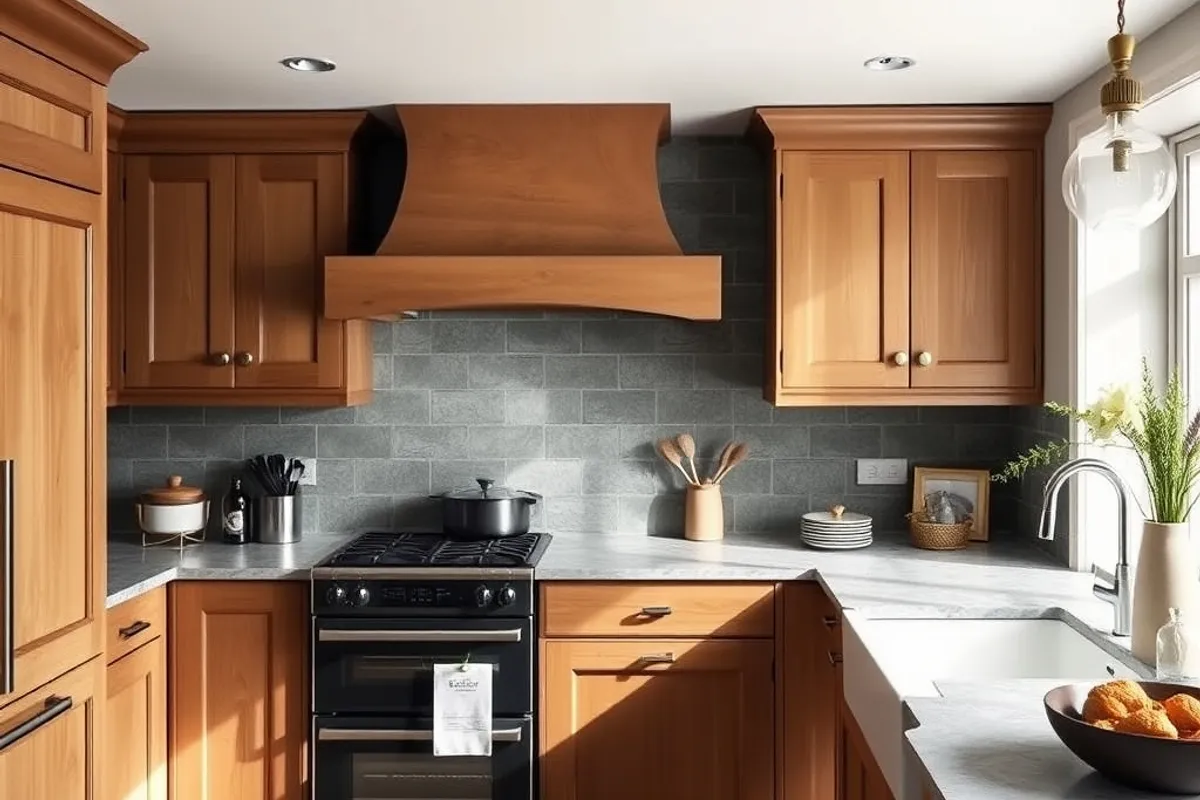
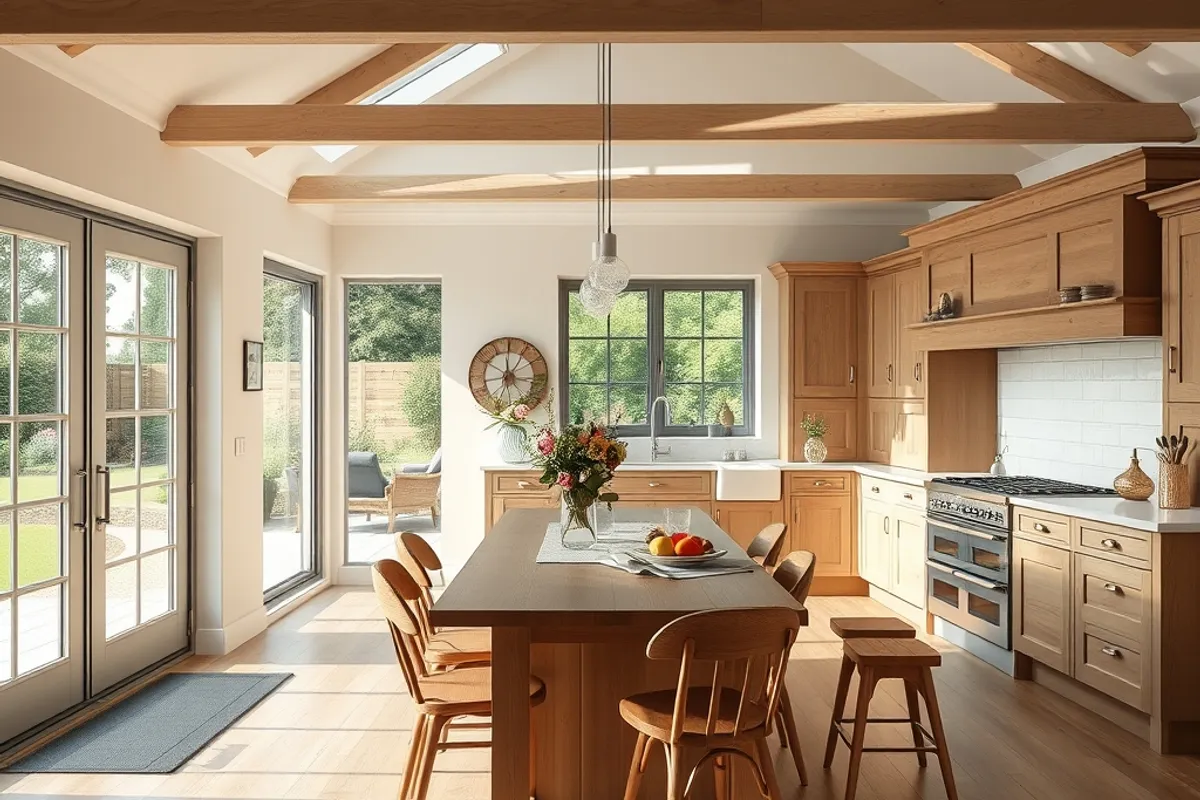
A cosmetic kitchen update is the safest large spend. New doors, worktops, lighting and a better tap can transform a room for a fraction of a full rip-out, provided the cabinet boxes are sound and the layout works. In our 2026 price checks, refacing a ten-unit kitchen cost about 4,000 to 7,000 dollars, while a full replacement with the same layout ran 18,000 to 30,000. Buyers see the result either way; only your bank balance sees the difference.
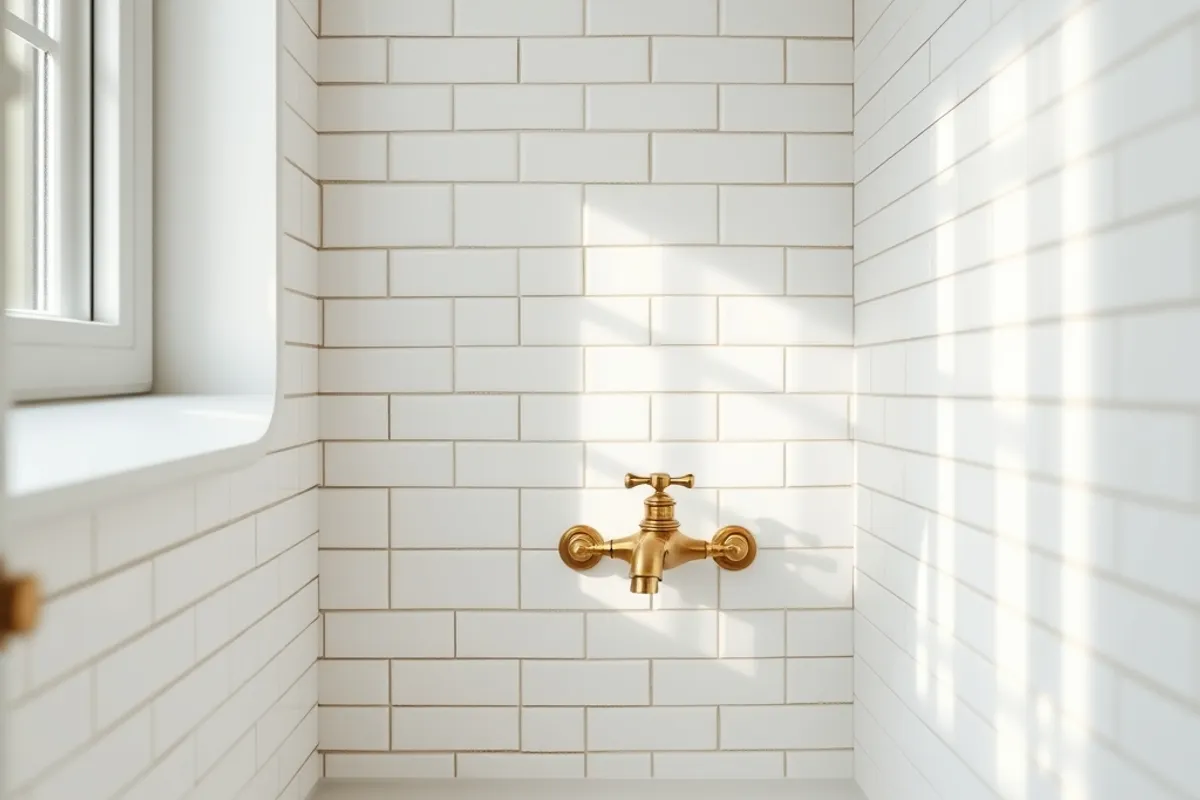
Bathrooms follow the same rule. Keep the toilet and drain positions, replace the suite and waterproofing, and add good extraction. Moving a drain across a concrete floor adds cost with no resale premium. Choose durable, quiet fittings and avoid trends that date quickly. A plain white suite with decent tiles will still look current in a decade.
Insulation, windows and draughts
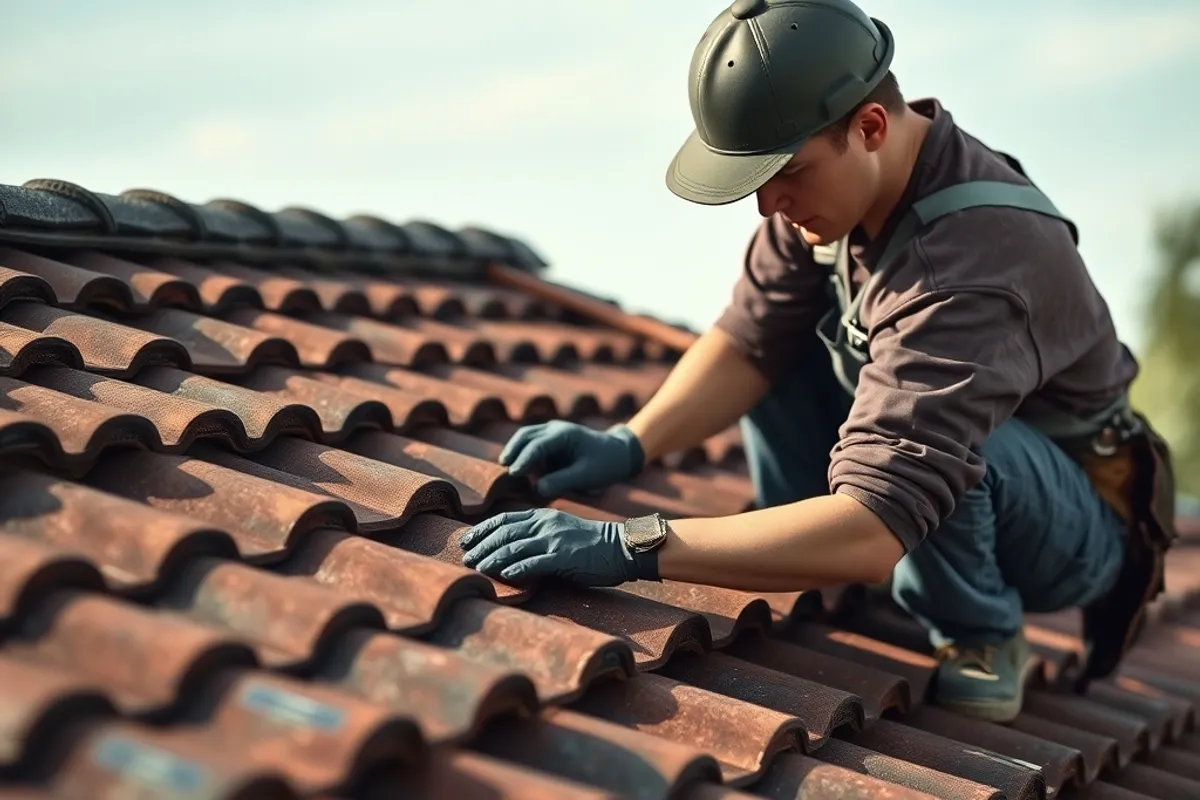
Insulation is unglamorous and consistently effective. Loft insulation, cavity wall filling and careful air sealing reduce heating demand and make rooms comfortable in both seasons. The payback shows up monthly rather than at resale, but buyers increasingly ask for an energy rating and a cold, draughty house is harder to sell. Start with the loft and any obvious gaps around pipes, doors and windows before considering replacement glazing.
Windows are a harder call. Full replacement is expensive, and the savings rarely repay the bill quickly. Repairing frames, replacing failed seals and adding secondary glazing on noisy streets often gives most of the comfort for less money. If you do replace, match the style of the house and insist on a competent fit; poor installation undoes the performance of the best unit.
The best improvement is the one that solves a daily problem, not the one that photographs best on handover day.
Roof, gutters and drainage
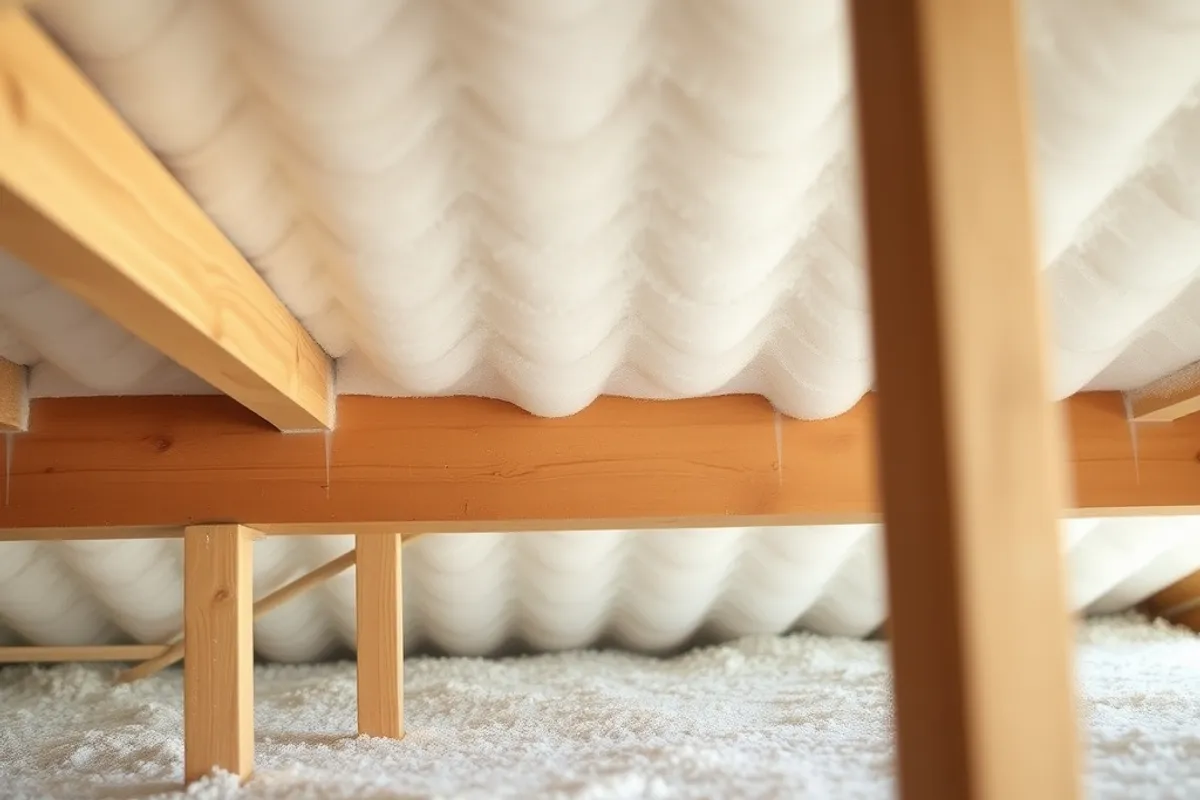
Water is the most expensive thing that can enter a house. Missing tiles, blocked gutters and cracked downpipes lead to damp, rotten fascias and damaged ceilings. A roof inspection with photos costs little and tells you whether you need a repair or a replacement. Fix the drainage first. A new gutter system is far cheaper than repairing the wall it has been soaking for three winters.
Ask the roofer to document the condition of flashings, valleys and chimney junctions. These small details cause most leaks and are easy to skip in a verbal quote. Keep the report with your house papers. When you sell, evidence of maintained drainage is a quiet advantage that helps a surveyor write a cleaner report.
Layout changes that earn their cost
Removing a wall between a kitchen and a dining room can change how a house lives, but only if the plan works afterwards. Check whether the wall is load-bearing, what services run through it and whether the new space has enough storage. A structural opening with a proper beam can cost 3,000 to 8,000 dollars before finishes. If the result is a long corridor of furniture, the money was better left in the bank.
The best layout projects fix a genuine bottleneck: a cramped entrance, a bathroom reached only through a bedroom, or a kitchen with no place for a table. Draw the furniture to scale before you call a builder. Then walk the route from the front door to the kitchen with shopping bags. If that route is awkward now, it will still be awkward after the wall comes down.
What to skip, or at least delay
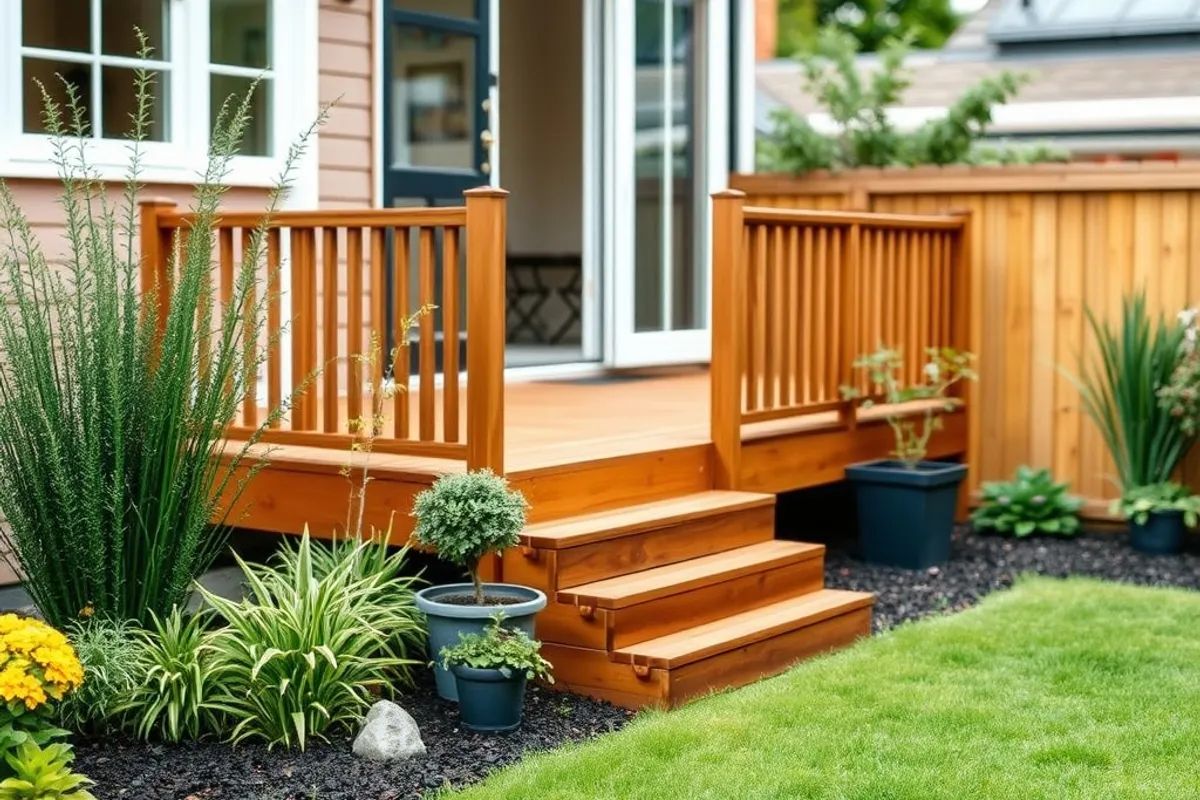
Swimming pools, elaborate home cinemas and highly personal conversions rarely return their cost. They also narrow the pool of buyers. The same applies to expensive garden structures that need maintenance and may need permission. Spend on things every buyer can use: storage, light, heating, a working bathroom and a sound roof. A house that is easy to live in beats a house with one impressive novelty.
Be cautious with the cheapest quote. A low price often excludes prep, waste removal or making good, and those extras arrive later as variations. Compare three itemised bids and ask what is not included. The National Association of Home Builders publishes consumer guidance on renovation contracts that is worth reading before you sign.
How we ranked these projects
We scored each project on four things: likely resale contribution, effect on running costs, disruption to daily life and risk of hidden extra work. The scores came from 2026 trade quotes, published cost guides and conversations with surveyors and estate agents in several markets. We kept the ranges broad because local labour and permit costs vary widely.
Use the list as a sequence, not a shopping list. Repair water and structure first, then improve efficiency, then update kitchens and bathrooms, then consider layout. If you are weighing a larger project, read our small home renovation guide for ways to gain space without moving walls.