Contractor Red Flags: Nine Warning Signs to Walk Away From
Nine warning signs that appear before a renovation goes wrong, from pressure for a cash deposit to a contract that never quite arrives, and how to walk away cleanly.
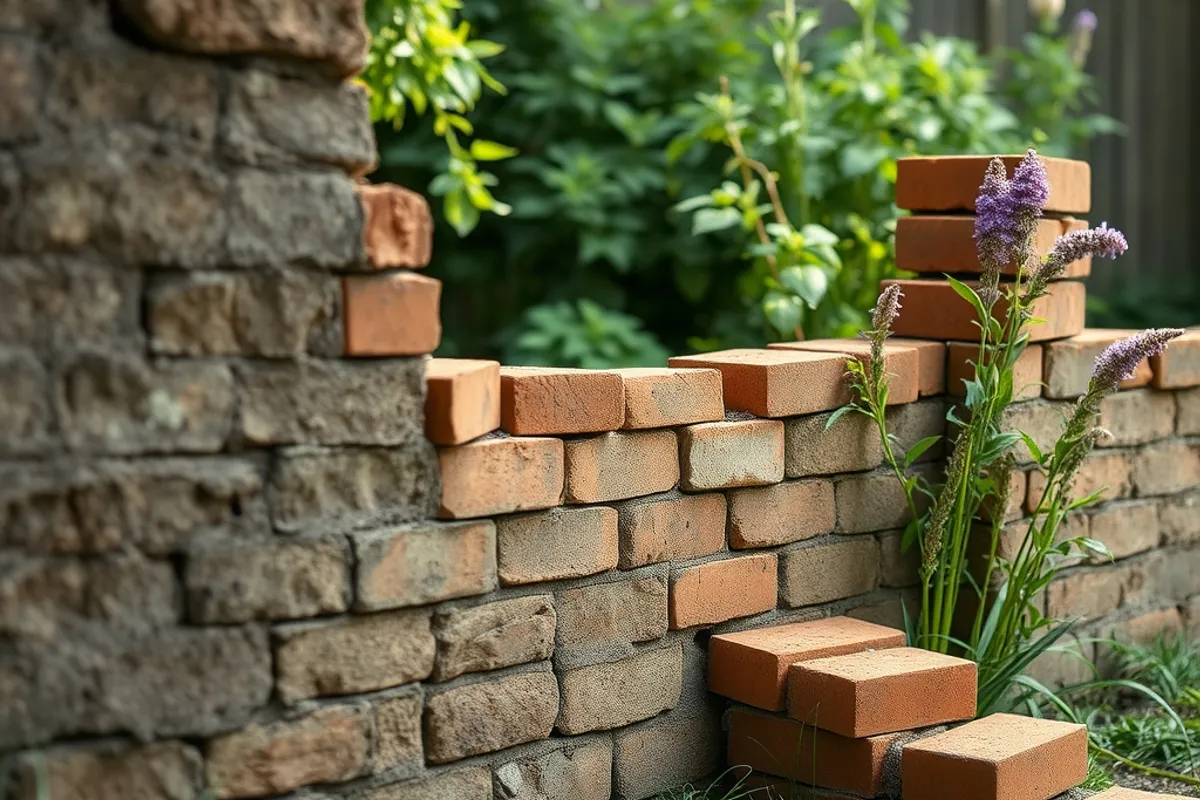
Pressure to pay a large deposit
Deposits are normal for materials and scheduling, but a request for most of the job upfront is not. Be cautious when someone wants 50 percent or more in cash before work starts, especially if the contract is vague about what the money buys. A legitimate contractor can explain the material order, the deposit percentage and the payment schedule without pressure. Get the schedule in writing and compare it with local norms.
Cash-only requests and payments to a personal account can remove your ability to dispute a charge or prove what you paid. Use a traceable method and ask for a receipt that names the business and the job. The Consumer Financial Protection Bureau has advice on avoiding home improvement payment traps. Our contractor section explains how to structure payments safely.
No licence, insurance or fixed address
Ask for a licence number, a certificate of insurance and a business address, then verify each one independently. A website and a phone number are not proof of a licensed business. If the contractor cannot name the insurer or the policy is expired, stop. If they give a PO box and no workshop or registered address, you have little chance of recovering money if the work fails.
Check the licence with the authority that issues it, not through a photo on a truck. Confirm that workers compensation covers the crew who will be on site. In many places, an uninsured injury on your property can become your problem. These checks take an hour and are the cheapest insurance you will buy all year.
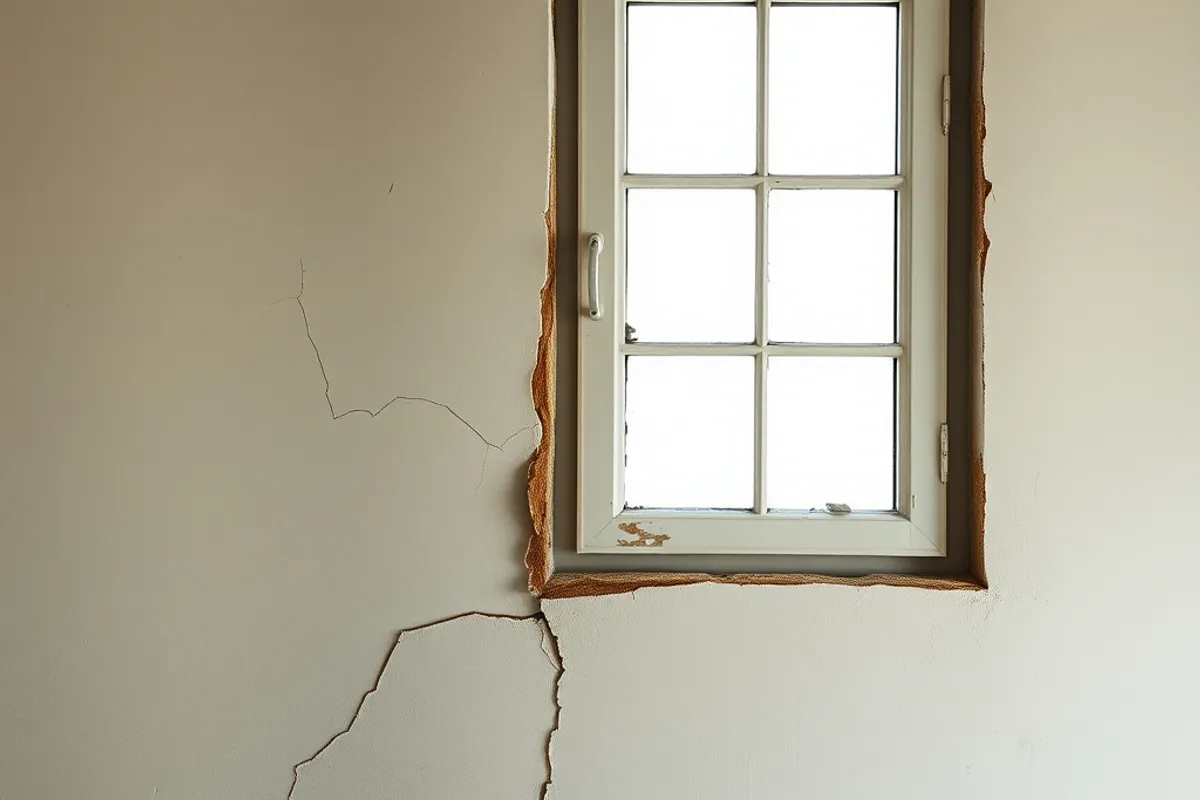
A quote that is too good to be true
If one bid is far below the rest, compare the scope line by line. The missing items are usually preparation, disposal, permits or making good after the work. The low price may also assume cheaper materials or undocumented labour. A contractor who cannot explain the difference is either guessing or planning to recover the money through variations later.
Do not use price alone to dismiss a bid, but do not accept an outlier without evidence. Ask each bidder to price the same specification and list exclusions. A fair contractor will welcome the comparison. A defensive or evasive answer is a warning sign in itself.
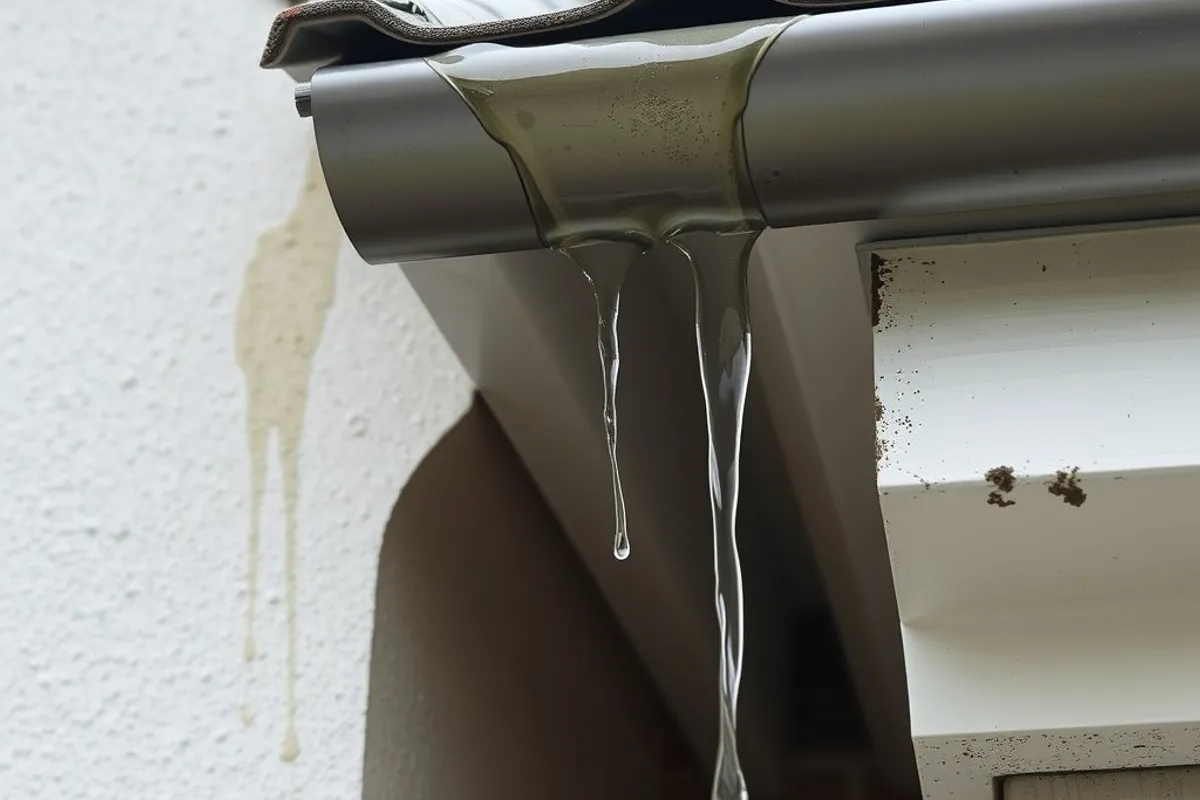
The cheapest way to fix a bad contractor is to not hire them.
Door-to-door offers and invented urgency
Unsolicited offers to fix a roof, repave a drive or treat damp often arrive after a storm or when a crew is 'in the area'. The urgency is manufactured. Legitimate contractors are usually booked ahead and do not need to pressure you on the doorstep. Never let someone start work on the same day without a written scope, price and cooling-off period.
Ask for the company registration, a written quote and time to check references. A real business will still be there tomorrow. If a trader refuses to leave details or asks you to decide immediately, close the door. Report aggressive doorstep selling to your local consumer protection office.
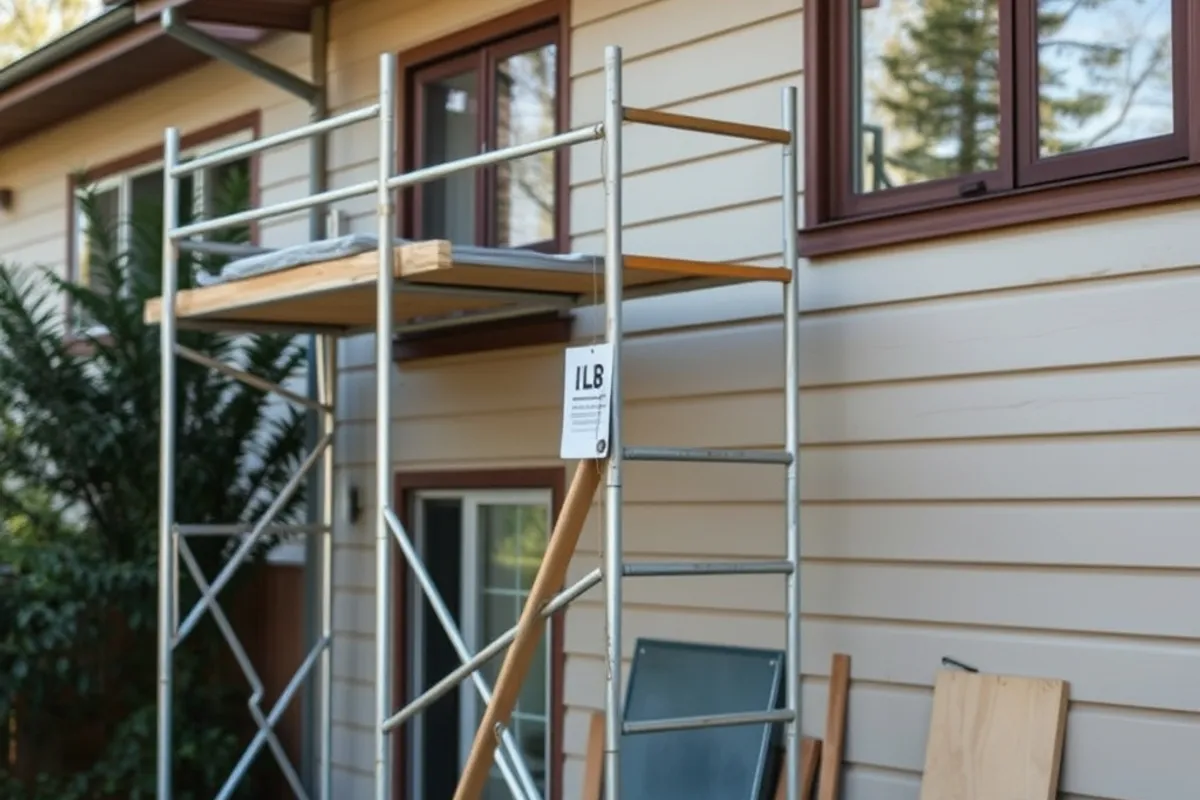
No written contract or a changing story
The scope should be written before work starts. Be wary of a contractor who promises to 'sort the paperwork later' or keeps changing the price and schedule without a written change order. A contract is not a sign of distrust; it is the shared record that prevents misunderstanding. If the contractor resists putting the basics in writing, the relationship is already risky.
Read the contract before you sign, including the small print about delays, cancellation and disputes. Make sure the business name on the contract matches the name on the insurance and the bank account. If the paperwork keeps changing, or the person you met is not the person you can contact later, walk away.
Poor communication and no references
Slow replies before the job starts usually mean slower replies once money is involved. Ask for references from similar projects and call them. A contractor who cannot provide a single recent customer is either new or avoiding checks. Read online reviews for patterns, not single angry posts, and look for comments about how problems were handled.
Visit a current job if possible. Look at how the site is protected, how materials are stored and whether the crew is working safely. A tidy, organised site is not proof of good work, but a chaotic one tells you something. The OSHA construction safety guidance explains the basic protections a professional crew should follow.
How to walk away safely
If you have not signed or paid, stop responding and keep a record of the contact. Do not let anyone start work to 'prove' they are serious. If you have paid a deposit, send a written cancellation that references the contract and ask for a refund of unearned money. Cancel any cheques or card authorisations if the work has not begun and the terms allow it.
If the contractor has started work and you are worried about safety or quality, take photos, document the defects and seek independent advice before withholding a large sum. Consumer protection agencies and trade associations can explain your options. For a wider view of hiring well, read our guide to hiring a contractor before your next project.