Best Cordless Drills 2026: Six Picks Tested on Real Jobs
Six cordless drills tested on timber framing, masonry and cabinet hinges, with notes on battery systems, weight and the jobs each one does best.
What we tested and how
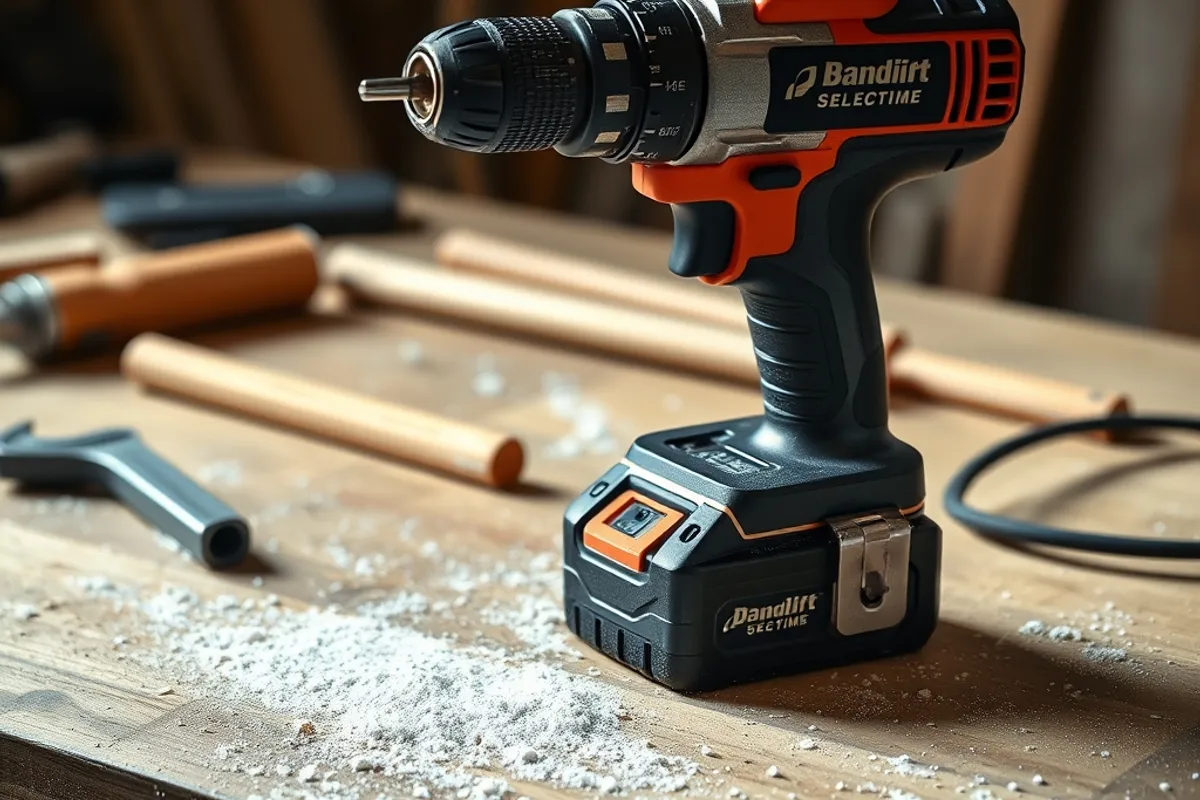
We drove 8 mm and 10 mm wood bits, drilled 6 mm holes in brick, fitted cabinet hinges and ran 50 mm hole saws in pine. We recorded weight with battery, chuck runout, clutch feel, trigger control and how hot the motor became after continuous work. We also checked battery availability and the price of a replacement cell, because a cheap drill with an expensive battery platform is not a bargain.
Every pick is a current 2026 model or its direct replacement. Prices are typical retail ranges, not sale prices. Our DIY and tools section has the matching kit guides. For safe battery handling, follow the OSHA power tool guidance.
Best overall: DeWalt DCD805
The DCD805 is a 20V MAX brushless hammer drill with a metal chuck and a useful balance of power and size. It drove 50 mm hole saws without stalling and kept its speed under load. The clutch has enough settings for cabinet work, and the LED is positioned where it actually lights the bit. It is not the lightest drill here, but it is the one we reached for most often.
Expect to pay about 180 to 230 dollars for a bare tool and 250 to 320 dollars for a kit with two batteries. The DeWalt 20V platform is broad, which matters if you plan to add a saw or grinder later. Check that the kit includes the newer compact batteries rather than older stock; the difference in weight is noticeable above your head.
Best compact: Makita FD07 12V
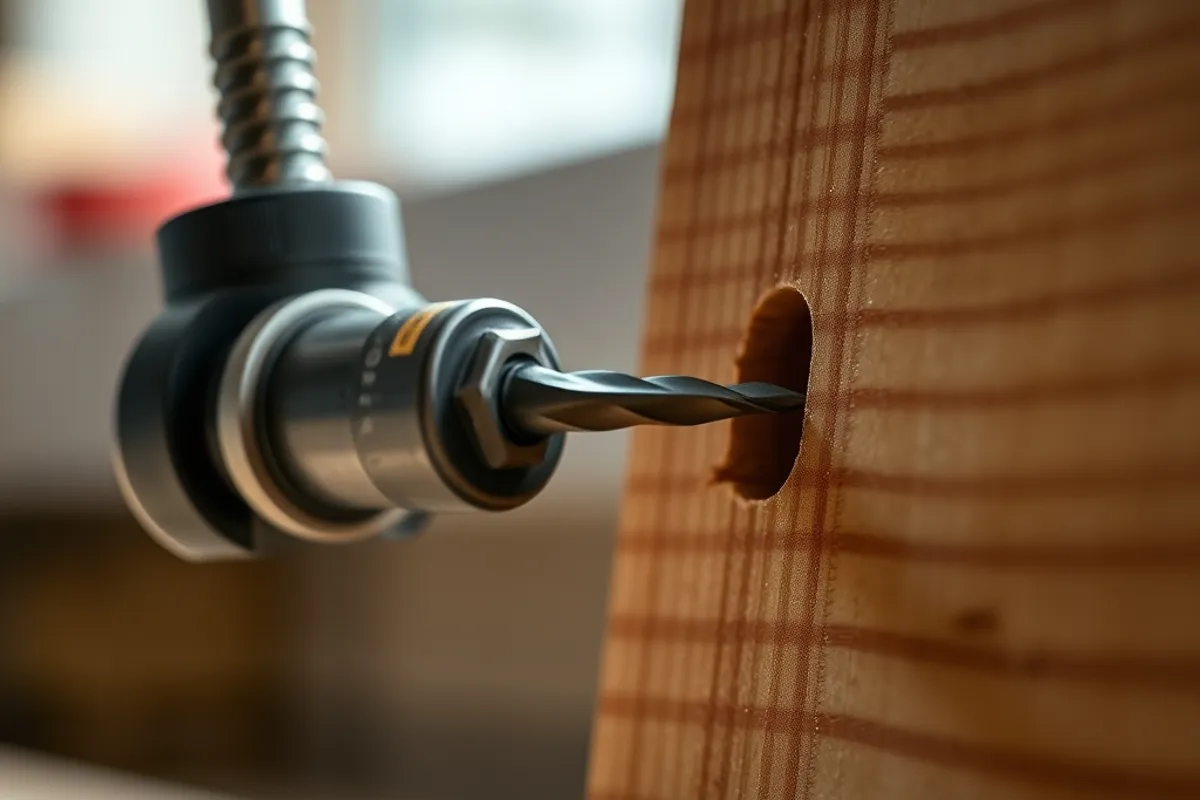
The Makita 12V CXT drill is the one to choose for cabinet fitting, shelves and overhead work. It is short enough to fit between studs and light enough to use one-handed for short bursts. It will not drive a large hole saw through oak, but it is not meant to. The trigger is smooth and the clutch repeats accurately, which matters when you are setting hinges or assembling flat-pack furniture.
A kit with two batteries and a charger runs about 150 to 190 dollars in 2026. The 12V platform includes impact drivers, multi-tools and lights, so it can become a compact second system. If you already own 18V tools, the drill is still worth considering as a lightweight companion rather than a replacement.
The best drill is the one with a battery you already own and a chuck that still runs true after a year.
Best budget: Ryobi PBLDD01K
Ryobi's brushless 18V drill offers the best value for a household that needs one tool for shelves, flat-pack and occasional masonry. The kit includes two batteries and a charger for roughly 120 to 160 dollars. It is not as refined as the premium picks, but it has enough power for most home tasks and the battery platform is wide and frequently discounted.
The chuck is the weak point on older Ryobi drills; the current brushless model is better, but still benefits from quality bits. Avoid using it for continuous hole saw work or heavy decking. For occasional use, it is a sensible first drill and a good second drill for a holiday home or garage.
Best heavy-duty: Milwaukee M18 2904-20
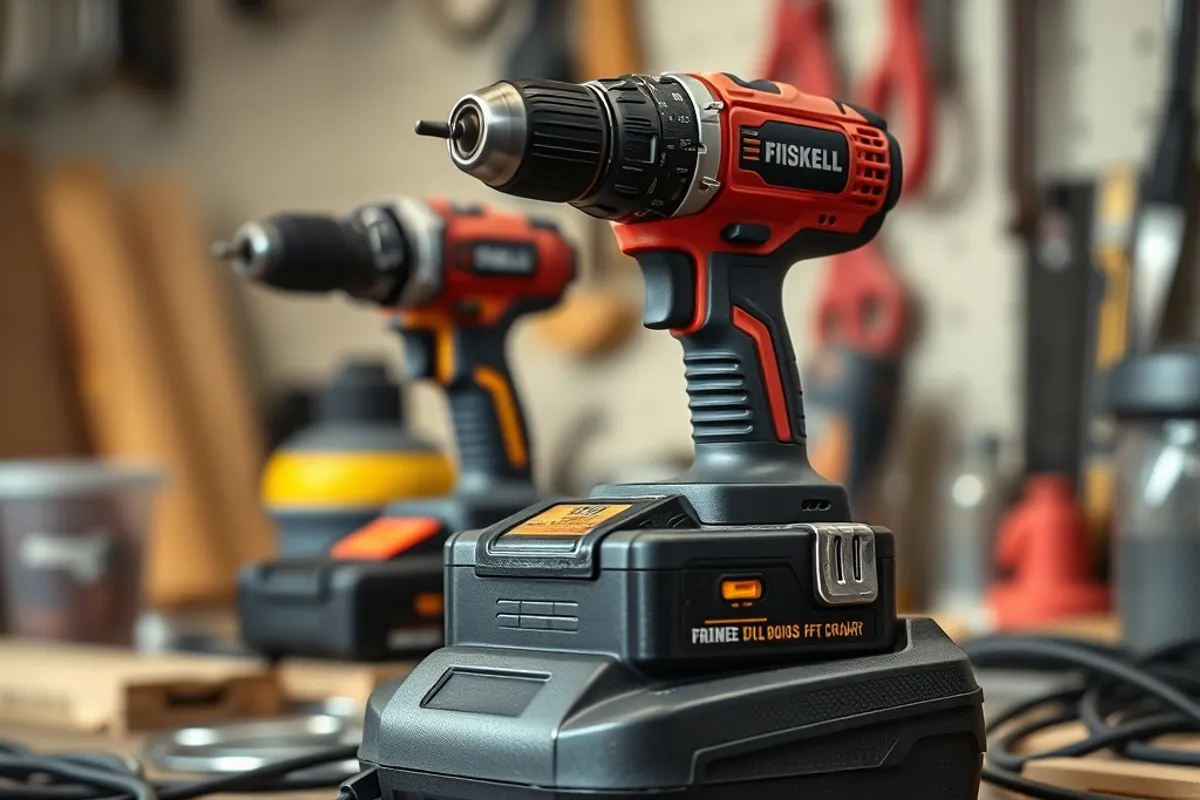
Milwaukee's M18 hammer drill is heavier and more expensive, but it has the torque and cooling for repeated large-bit work. It is the pick for a renovation where the drill will be used daily, or for a homeowner with a long list of structural and masonry tasks. The all-metal chuck grips well and the side handle is useful when a bit binds.
Bare tools cost about 200 to 250 dollars, with kits above 300. The M18 platform is large and expensive, so buy into it only if you need other Milwaukee tools. For occasional DIY, it is more drill than necessary; for a project house, the extra capacity earns its keep.
Best hammer drill for light masonry: Bosch GSB18V-535
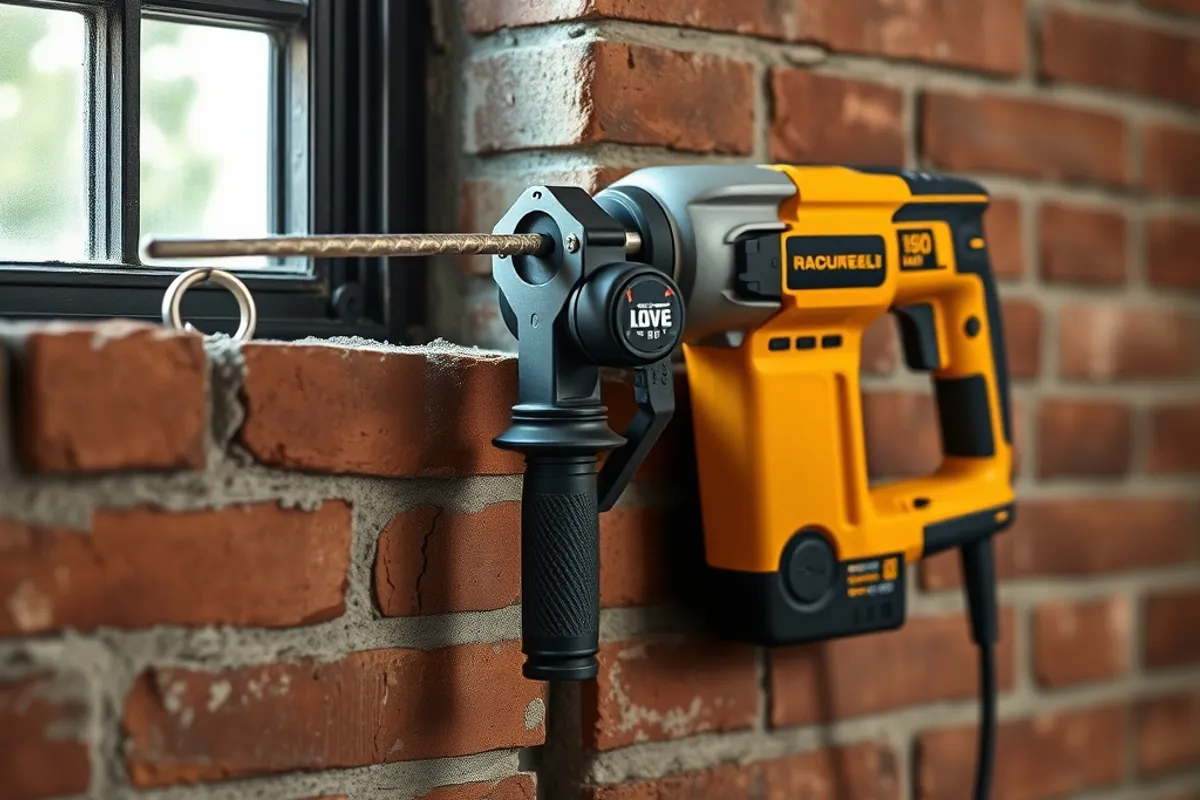
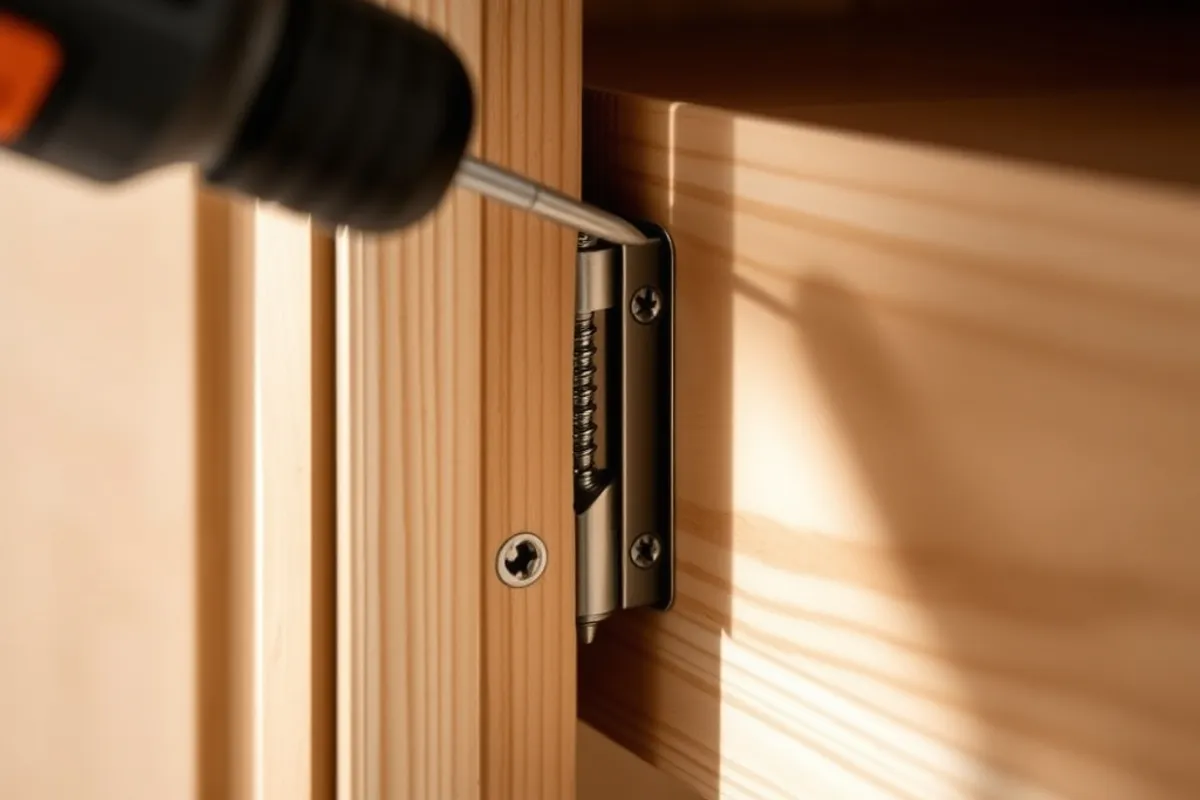
The Bosch 18V hammer drill is a good middle ground for brick and block, with a compact body and a reliable clutch. It drilled 6 mm and 8 mm holes in brick without the wandering that affects a drill-only model. The hammer action is not a replacement for a rotary hammer when you meet reinforced concrete, but it handles shelves, vents and cable runs.
Kits run about 180 to 240 dollars depending on battery size. Bosch's 18V platform is smaller than DeWalt or Makita in some markets, so check local availability before committing. The drill itself is comfortable, with a good grip and a clear battery gauge.
What we would buy with our own money
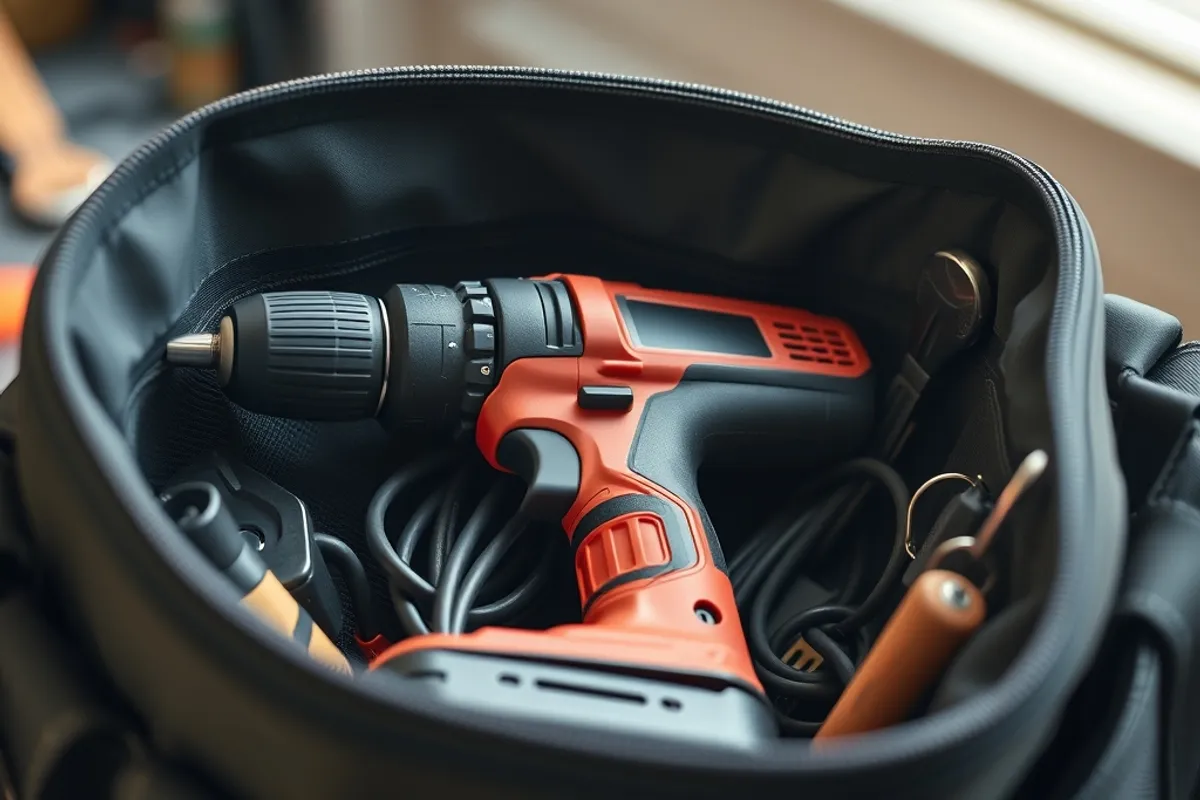
For a first drill in a home with mixed jobs, the DeWalt DCD805 kit is the safest single purchase. For a small flat and cabinet work, the Makita 12V is easier to use and costs less. The Ryobi is the value pick if the budget is tight, and the Milwaukee is the right call only if the workload justifies the platform.
Whatever you choose, buy good bits and a second battery. A premium drill with a dull bit is slower than a budget drill with a sharp one. If you are building a first toolkit, read our guide to the best home tool kits before you buy a box of tools you may not need.