

Introduction & Background
Interior design is more than just arranging furniture and choosing colors. It is about creating spaces that reflect timeless beauty, balance, and harmony. Classic interior design stands as a testament to elegance that transcends trends, offering warmth, sophistication, and a sense of permanence. Whether in a grand historical home or a cozy urban apartment, crafting a classic interior requires a thoughtful blend of tradition and personal expression. This approach not only enhances the aesthetic appeal of a space but also fosters a feeling of comfort and stability that endures through the years. In an era of rapid change and fleeting design trends, the enduring allure of classic interiors provides a grounding influence, reminding us of the power of simplicity and refinement.
Concept & Overview
Classic interior design is rooted in the principles of symmetry, proportion, and balance. It draws inspiration from European architectural styles such as Baroque, Rococo, Georgian, and Victorian, each offering its own interpretation of grandeur and grace. At its core, this design philosophy emphasizes natural materials, rich textures, and a muted color palette that evokes a sense of calm and order. Furniture pieces are often made from solid wood like mahogany, cherry, or walnut, with intricate detailing and craftsmanship that highlight artisanal skill. The goal is not to create a museum-like environment, but rather a living space that feels both curated and lived-in, where every object has meaning and purpose.
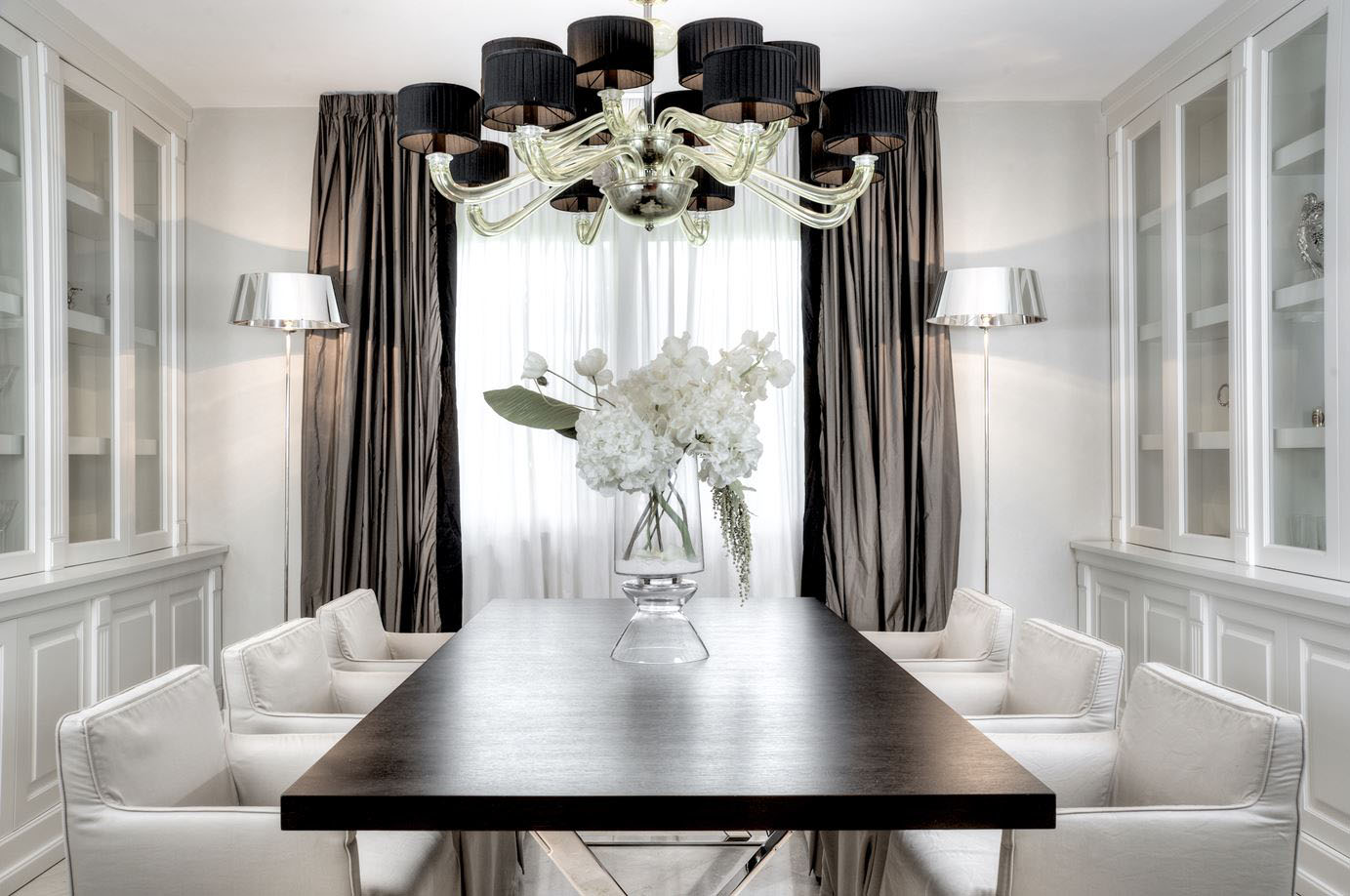
The essence of classic interior harmony lies in creating a seamless dialogue between form and function. It values quality over quantity, favoring a few statement pieces that stand the test of time rather than a room filled with disposable decor. Lighting plays a crucial role, often featuring chandeliers, sconces, or table lamps with crystal or brass finishes. The arrangement of furniture follows a balanced layout, with seating areas facing each other to encourage conversation and connection. Window treatments are typically elegant drapes or shutters that frame natural light while adding depth and softness to the room. By grounding the design in these enduring principles, classic interiors become sanctuaries of elegance that continue to inspire decades later.
Key Features & Highlights
- Natural Materials: Classic interiors prioritize organic materials such as solid wood, stone, linen, silk, and leather. These materials age gracefully, developing a rich patina over time and adding character to the space.
- Symmetrical Layouts: Furniture and decor items are arranged symmetrically to create a sense of order and balance. This often includes matching chairs, balanced fireplace mantels, and centered chandeliers.
- Rich Color Palette: The color scheme leans toward neutral tones like cream, beige, taupe, and soft gray, often accented with deeper hues such as burgundy, navy, or forest green. These colors evoke warmth and sophistication.
- Intricate Detailing: Moldings, paneling, and decorative trim add architectural depth and visual interest. Furniture may feature carved legs, tufted upholstery, or hand-painted motifs.
- Timeless Furniture Styles: Pieces like Chesterfield sofas, wingback chairs, pedestal tables, and four-poster beds are staples in classic interiors. These designs have been refined over centuries and remain highly sought after.
- Layered Lighting: Lighting is carefully curated with multiple sources, including ambient chandeliers, task lighting like table lamps, and accent lighting such as wall sconces. This creates a warm, inviting glow throughout the space.
- Art and Antiques: Classic interiors often incorporate artwork, mirrors, and antique objects that tell a story. These elements add personality and history, bridging past and present.
Frequently Asked Questions / Pros & Cons
What defines a classic interior design style?
A classic interior is defined by its adherence to traditional design principles, use of natural materials, balanced proportions, and timeless furniture pieces. It emphasizes craftsmanship, elegance, and a sense of permanence rather than trendy aesthetics.
Is classic interior design expensive?
While classic interiors often feature high-quality materials and artisanal craftsmanship, which can come with a higher price tag, it is possible to achieve a classic look on a budget. The key is to invest in key statement pieces and layer textures and patterns gradually over time.
Can modern elements be incorporated into a classic interior?
Absolutely. Many designers blend classic and contemporary elements to create a transitional style. For example, pairing a traditional sofa with modern abstract art or sleek metallic lighting can add a fresh perspective while preserving the classic foundation.
Is classic interior design outdated?
Not at all. Classic design remains highly relevant because it focuses on enduring beauty rather than passing trends. It offers a sense of stability and comfort that resonates in both private homes and formal spaces like hotels and restaurants.
What are the pros of classic interior design?
- Timeless appeal that does not go out of style.
- High-quality materials that last longer and improve with age.
- Creates a warm, inviting atmosphere that feels luxurious yet comfortable.
- Adds value to a home due to its association with craftsmanship and tradition.
What are the cons of classic interior design?
- Can feel overly formal or rigid if not balanced with softer elements.
- Higher upfront costs for quality materials and furniture.
- May require more space to accommodate larger, statement pieces.
- Less flexibility for quick style changes compared to modern or minimalist designs.
Practical Guidance & Solutions
If you are drawn to classic interior harmony but unsure where to begin, start by assessing your space and lifestyle. Here are some actionable steps to help you craft a classic interior that feels authentic and inviting:
Start with a Neutral Base: Paint your walls in soft, neutral tones like warm white, soft beige, or light gray. These colors provide a versatile backdrop that allows furniture and decor to stand out. Consider adding texture through wallpaper with subtle patterns or raised textures like linen or grasscloth.
Invest in Statement Furniture: Choose one or two high-quality, timeless pieces such as a Chesterfield sofa, a pedestal dining table, or an upholstered headboard. These items will anchor your room and serve as the foundation for the rest of your design.
Layer Textures and Patterns: Classic interiors thrive on layers. Mix different fabrics like velvet, silk, and linen in complementary colors. Introduce subtle patterns through drapes, throw pillows, or area rugs with traditional motifs like damask, toile, or stripes.
Balance with Modern Touches: To avoid a static or overly formal look, incorporate a few contemporary elements. A sleek floor lamp, a piece of modern art, or a minimalist side table can break up the traditional aesthetic and add visual interest.
Focus on Lighting: Lighting can transform the mood of a room. Opt for a statement chandelier in the dining or living area, and complement it with table lamps, floor lamps, and wall sconces. Consider warm-toned bulbs to enhance the cozy, inviting atmosphere.
Curate Your Decor: Select artwork, mirrors, and decorative objects that resonate with you. A large mirror with an ornate frame can add depth and light, while framed prints or oil paintings can introduce color and personality. Don’t be afraid to mix vintage and antique pieces with newer items to create a layered, collected feel.
Keep It Uncluttered: Classic interiors value space and clarity. Avoid overcrowding surfaces with too many small objects. Instead, choose a few meaningful pieces that tell a story or reflect your taste. Use closed storage solutions like cabinets or trunks to maintain a tidy appearance.
Add Natural Elements: Incorporate indoor plants, fresh flowers, or natural wood elements to bring life and warmth into the space. A vase of peonies on a console table or a potted olive tree in the corner can soften the classic aesthetic and connect the indoors with nature.
Conclusion
Classic interior harmony is more than a design choice. It is a celebration of elegance, history, and intentional living. By embracing natural materials, balanced proportions, and timeless craftsmanship, you create a space that feels both grand and deeply personal. While trends come and go, the principles of classic design remain steadfast, offering a refuge of beauty and comfort in our fast-paced world.
Whether you are furnishing a new home or refreshing an existing one, remember that classic style is not about perfection. It is about creating a sanctuary where every piece has meaning and every detail contributes to a sense of harmony. Start small, invest wisely, and allow your space to evolve naturally. In doing so, you will craft an interior that not only stands the test of time but also feels like home in the truest sense.


More Stories
Timeless Elegance: Crafting Your Home’s Forever Charm
Timeless Elegance: Crafting a Home That Stands the Test of Time
Blending Beauty and Balance: Crafting a Harmonious Home Design