
A Vision Rooted in Timeless Appeal
Creating a home that radiates Traditional Design Harmony begins with an appreciation for classic principles that have endured through generations. These elements foster balance, warmth, and a sense of serenity that feels instantly comforting. Some interiors possess a natural equilibrium that draws people in, and this often stems from the thoughtful integration of long valued design components. Each piece works collaboratively, illuminating the beauty of tradition while supporting a fresh and lively atmosphere.

Architectural Structure That Grounds the Space
The framework of a room often determines its overall mood. Crown molding, stately door casings, and elegantly proportioned layouts all contribute to a strong architectural identity. When these classical features are honored, the entire home benefits from a sturdy visual foundation. Such structure encourages cohesion. It allows decor and furnishings to fall into place with an effortless kind of rhythm that elevates the overall design.
Furnishings That Reflect Quality and Character
Traditional style often emphasizes craftsmanship. Furniture pieces with refined legs, sculpted silhouettes, and rich finishes add gravitas to any room. A carved wooden sideboard or a curved armchair can introduce both comfort and sophistication. These furnishings perform double duty. They serve a practical role yet also enrich the space with artistry and distinction. Their presence fosters a sense of continuity that strengthens the harmony within the home.
Textures That Enhance Sensory Comfort
A well balanced interior thrives on textural interplay. Plush textiles, embroidered throws, and woven accents create tactile depth that feels inviting. When smooth surfaces encounter softer or more intricate textures, the room gains dimension. This interplay adds subtle drama without overwhelming the environment. It also encourages relaxation by providing an atmosphere that feels thoughtfully layered and inviting.
Color Palettes That Support Calm and Clarity
Colors have immeasurable influence on the mood of a home. Traditional aesthetics often rely on subdued palettes that promote calm, such as gentle creams, soft olives, muted golds, and dusty blues. These hues echo natural environments, bringing tranquility indoors. When applied consistently, the palette acts as a unifying element that links each room. This unification enhances harmony, making the home feel coherent and soothing.
Patterns That Enrich the Atmosphere
Classic motifs infuse personality into traditionally inspired spaces. Florals with delicate contours, graceful stripes, and heritage inspired medallions all contribute to a sense of visual character. Patterns bring life and energy to upholstery, drapery, and cushions. When employed thoughtfully, they cultivate interest without creating clutter. Their refined charm deepens the design narrative and reinforces an elegant ambiance.
Materials That Reflect Timeless Beauty
Natural materials often play a starring role in traditional interiors. Stone, wood, linen, and wrought iron introduce authenticity and depth. Each material carries a distinct tactile signature that strengthens the connection between design and nature. These elements reinforce a grounded environment. Their presence supports harmony by adding organic consistency to the room.
Decorative Accents That Celebrate Personal Expression
Homes anchored in tradition often feel especially personal. Framed artwork, curated collections, heirloom objects, and sculptural pottery bring individuality to each corner. These accents help tell a story. They create layers of meaning that transform a space from structured to soulful. Their placement can guide the eye gently around the room, inspiring curiosity and appreciation.
Lighting That Shapes Mood and Movement
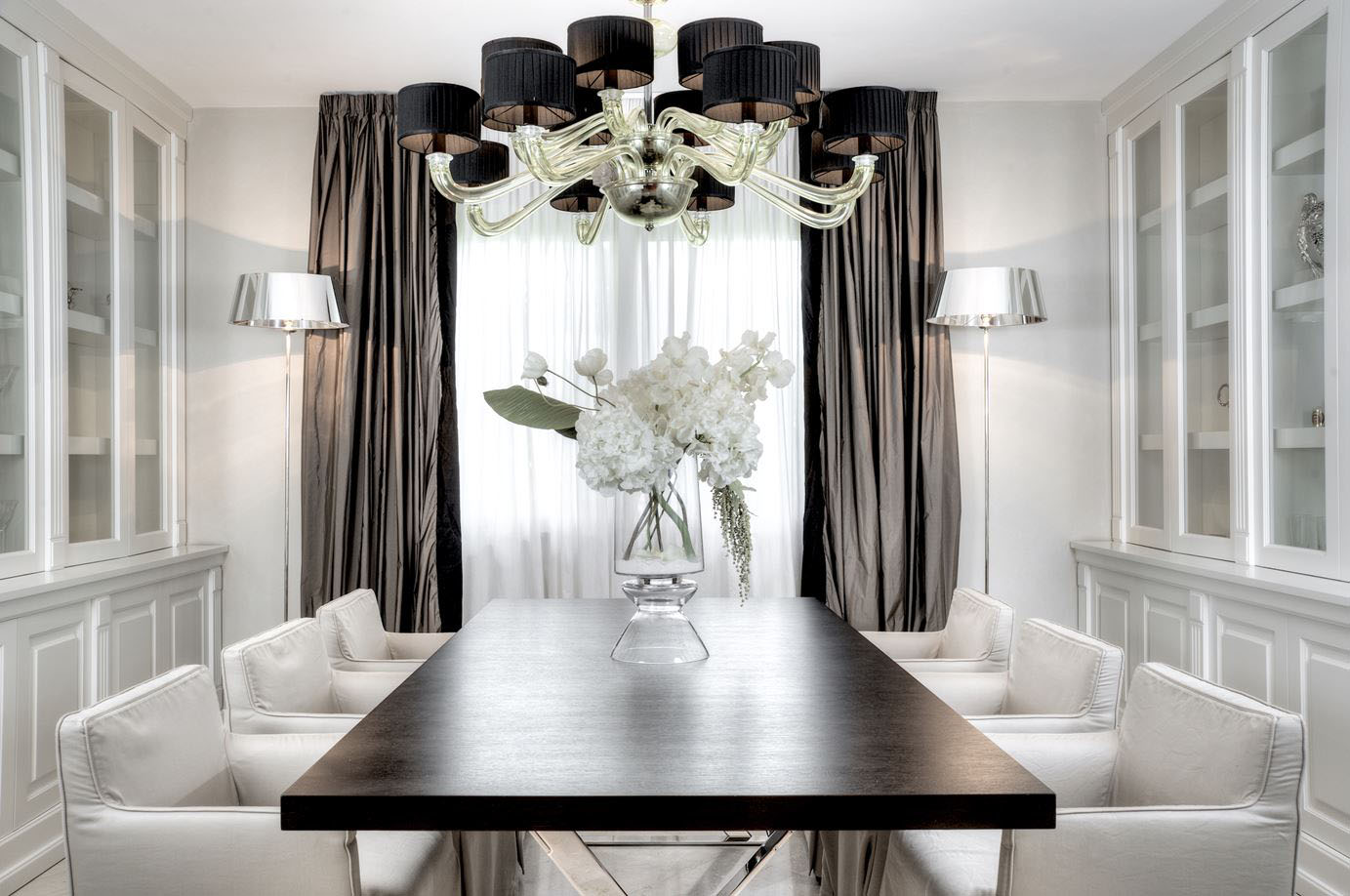
Lighting influences not only visibility but also ambiance. Chandeliers with graceful curves, table lamps with fabric shades, and sconces that cast warm glows all contribute to harmony. Layered lighting highlights architectural elements, textures, and focal points. It also facilitates more dynamic living by allowing brightness to shift with various activities.
A Home That Embodies Lasting Balance
Achieving harmony through traditional aesthetic elements results in an interior that feels both enduring and uplifting. When architecture, color, texture, pattern, and materials work together, they create an environment that nurtures beauty and comfort. This sense of balance invites relaxation, creativity, and connection within every room.


More Stories
Traditional Aesthetic Elements That Elevate Spaces
Whispers of the Past: Weaving Traditional Aesthetic Elements into Modern Living
Timeless Elegance: The Magic of Classic Design Elements