

Clean Lines, Timeless Elegance: The Enduring Allure of Minimalist Design
In a world brimming with noise—whether in our physical spaces, digital interfaces, or even the pace of modern life—minimalism emerges as a powerful antidote. The phrase “clean lines, timeless elegance” encapsulates a design philosophy that prioritizes simplicity, functionality, and beauty without excess. This approach is not merely a trend; it is a testament to the enduring appeal of thoughtful, uncluttered aesthetics. From architecture to interior design, fashion to graphic design, minimalism has proven its ability to transcend eras, cultures, and technologies, offering a sense of calm and sophistication that resonates universally.
The Philosophy Behind Minimalist Design
At its core, minimalism is more than just an aesthetic choice—it is a mindset. Rooted in the principles of “less is more,” a phrase popularized by architect Ludwig Mies van der Rohe, minimalist design emphasizes the elimination of the unnecessary to highlight what truly matters. This philosophy can be traced back to various cultural and artistic movements, including Japanese Zen philosophy, which values simplicity, impermanence, and the beauty of empty space. In the 20th century, artists like Donald Judd and architects such as Tadao Ando further refined minimalist principles, proving that restraint could yield profound emotional and intellectual impact.
Minimalism in design is not about stripping away all elements until nothing remains; rather, it is about curating with intention. Every line, shape, and material is chosen for its purpose and contribution to the whole. The result is a space or object that feels intentional, harmonious, and effortlessly elegant. This approach fosters a sense of tranquility, allowing the user or viewer to focus on the essence of the design without distraction.
Architecture: Where Form Meets Function
Minimalist architecture is perhaps the most visible manifestation of this philosophy. Buildings designed with clean lines and unadorned surfaces create a visual language that speaks to both modernity and timelessness. Think of the works of Tadao Ando, whose concrete structures often feature geometric precision and a play of light and shadow to evoke emotion. Or consider the iconic Farnsworth House by Mies van der Rohe, a glass-and-steel pavilion that blurs the boundaries between interior and exterior while celebrating simplicity.
The appeal of minimalist architecture lies in its ability to adapt to various contexts without losing its identity. Whether nestled in a bustling urban environment or standing solitary in a natural landscape, these structures exude a quiet confidence. Materials like concrete, glass, steel, and wood are often left in their natural state or finished with understated textures, reinforcing the connection to the raw essence of the medium. The absence of ornamentation does not equate to a lack of character; instead, it allows the form and space to speak for themselves.
Interior Design: Creating Serene Sanctuaries
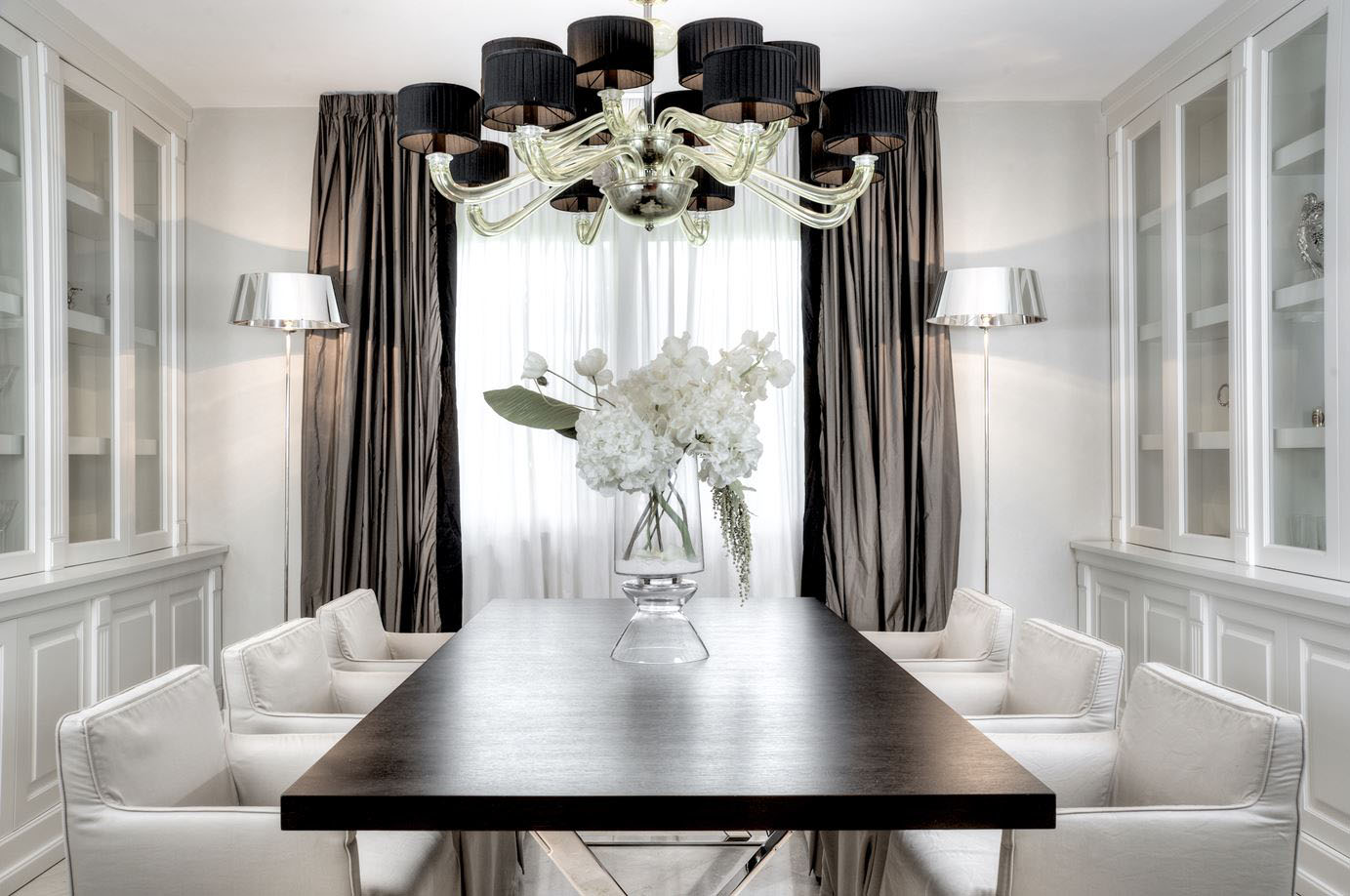
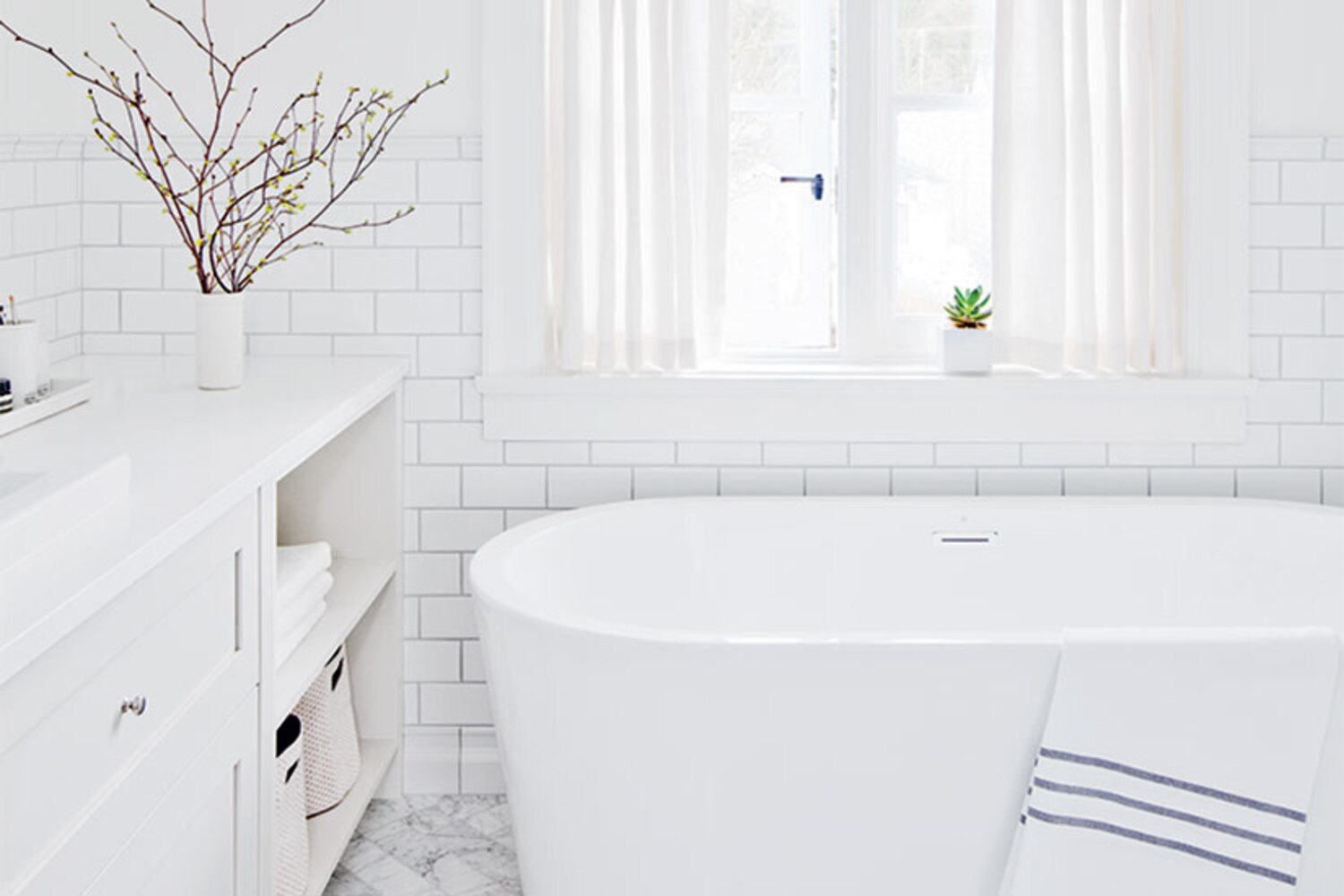
Minimalist interior design transforms living spaces into sanctuaries of peace and clarity. The key lies in decluttering not just physical spaces but also mental ones. A minimalist home or office is characterized by open floor plans, neutral color palettes, and a careful selection of furniture and decor. Every piece serves a purpose, and negative space is treated as an integral element of the design.
Consider the work of Japanese designer Naoto Fukasawa, whose interiors often feature a seamless blend of functionality and beauty. His designs avoid excessive decoration, instead focusing on the tactile qualities of materials and the intuitive placement of objects. Similarly, Scandinavian design—known for its light woods, soft textiles, and airy spaces—embodies the minimalist ethos by creating environments that feel both welcoming and uncluttered.
A minimalist interior does not have to feel cold or sterile. Warmth can be introduced through natural materials like linen, wool, and wood, as well as through the careful use of lighting. Soft, diffused light can enhance the sense of space, while statement pieces—such as a single piece of art or a sculptural chair—can serve as focal points that draw the eye without overwhelming the room.
Fashion: The Art of Understatement
Minimalist fashion is a celebration of understatement, where quality, fit, and fabric take precedence over trends and embellishments. Designers like Jil Sander, Phoebe Philo, and The Row have built their reputations on creating clothing that is sleek, functional, and devoid of unnecessary details. The minimalist wardrobe is built on a foundation of neutral tones—black, white, beige, and gray—with occasional pops of color or texture to add depth.
One of the most compelling aspects of minimalist fashion is its versatility. A well-curated capsule wardrobe, consisting of interchangeable pieces, allows for effortless styling and adaptability to various occasions. The focus on tailoring and fabric ensures that each garment not only looks good but also feels good to wear. This approach to fashion aligns with the broader minimalist ethos: investing in fewer, higher-quality items that stand the test of time.
Sustainability is another natural extension of minimalist fashion. By prioritizing durability and timelessness over fast fashion trends, minimalist designers contribute to a more sustainable industry. Consumers are encouraged to buy less but buy better, reducing waste and environmental impact.
Graphic and Digital Design: Clarity in Communication
In the digital age, minimalist design plays a crucial role in communication. Clean, uncluttered interfaces enhance user experience by making information more accessible and reducing cognitive load. Think of the websites of Apple, Google, or Swiss design studios like Helvetica’s legacy—each prioritizes readability, hierarchy, and visual simplicity to convey messages effectively.
Minimalist graphic design often employs a limited color palette, ample white space, and typography that is both functional and aesthetically pleasing. The use of grid systems ensures alignment and order, while the elimination of superfluous elements prevents distraction. This approach is not only visually appealing but also highly practical, as it allows users to navigate and interact with digital content with ease.
For brands, minimalist design can communicate professionalism, trustworthiness, and modernity. It suggests a focus on quality and substance over flashy gimmicks, which can be particularly effective in industries like technology, finance, and luxury goods.
The Psychological Benefits of Minimalism
Beyond aesthetics, minimalism offers tangible psychological benefits. A cluttered environment can contribute to feelings of stress and overwhelm, while a minimalist space promotes calm and focus. Studies have shown that tidy spaces can improve productivity, enhance creativity, and even contribute to better sleep. The act of decluttering can also be therapeutic, helping individuals let go of material attachments and focus on what truly matters in life.
In a consumer-driven society, minimalism challenges the notion that happiness is tied to possession. By embracing a “less is more” mindset, individuals can reduce financial stress, simplify their lives, and cultivate a greater appreciation for the present moment. This philosophy extends to digital spaces as well, where a decluttered inbox or a simplified social media feed can lead to reduced anxiety and increased mental clarity.
How to Incorporate Minimalist Principles into Your Life
Adopting a minimalist lifestyle does not require a complete overhaul; small, intentional changes can yield significant results. Here are some practical steps to embrace the ethos of clean lines and timeless elegance:
- Declutter Regularly: Start by assessing your possessions and letting go of items that no longer serve a purpose or bring you joy. This process can be liberating and help you identify what truly matters to you.
- Choose Quality Over Quantity: Invest in well-made, durable items that align with your values. Whether it’s furniture, clothing, or electronic devices, prioritize pieces that are built to last and designed with intention.
- Embrace Neutral Palettes: Incorporate a limited color scheme in your wardrobe and home decor. Neutrals like white, beige, gray, and black create a cohesive and calming environment.
- Focus on Functionality: Before purchasing or designing something, ask yourself if it serves a purpose. Minimalism is not about deprivation but about ensuring that every element in your life adds value.
- Simplify Your Digital Life: Organize your digital spaces by decluttering your devices, unsubscribing from unnecessary emails, and curating your social media feeds to include only content that inspires or informs you.
- Practice Mindful Consumption: Be intentional about what you bring into your life. Avoid impulse purchases and consider the environmental and ethical implications of your choices.
The Future of Minimalism: Evolving Yet Enduring
As we move further into the 21st century, the principles of minimalism continue to evolve, adapting to new technologies, cultural shifts, and environmental concerns. The rise of sustainable design, for example, has merged with minimalism to create spaces and products that are not only beautiful but also eco-friendly. The concept of “slow design” encourages a more mindful approach to consumption, prioritizing longevity and quality over disposability.
In digital design, minimalism is being redefined through the lens of accessibility and inclusivity. Designers are exploring how clean, intuitive interfaces can cater to diverse user needs, ensuring that technology remains both functional and user-friendly. Meanwhile, in architecture, the integration of biophilic design—incorporating natural elements like plants, water, and natural light—adds a layer of warmth and connection to minimalist spaces.
Despite these evolutions, the core tenets of minimalism remain unchanged. Clean lines, timeless elegance, and intentional design continue to resonate because they address fundamental human needs: the desire for order, tranquility, and meaning. In a world that often feels chaotic and overwhelming, minimalism offers a path to simplicity without sacrificing style or substance.
Conclusion: The Beauty of Less
Clean lines and timeless elegance are not just design principles; they are a way of life. Minimalism teaches us that beauty lies in simplicity, that less can indeed be more, and that true elegance is found in the thoughtful curation of our surroundings and experiences. Whether through the sleek lines of a modernist building, the understated sophistication of a minimalist wardrobe, or the clarity of a well-designed interface, this philosophy invites us to slow down, focus, and appreciate the essence of what we choose to surround ourselves with.
As we navigate an increasingly complex world, the principles of minimalism provide a grounding force—a reminder that elegance is not about excess, but about intention. In embracing clean lines and timeless design, we cultivate spaces and lives that are not only visually appealing but also deeply meaningful. The allure of minimalism lies in its ability to transform the ordinary into the extraordinary, proving that sometimes, the most powerful statement is made by what we choose to leave out.


More Stories
Timeless Aesthetics Through Clean Lines
A Fresh Take on Timeless, Clean Lines
The Art of Serene Simplicity: Crafting Clean Interior Design