

Introduction to Timeless Elegance in Home Design
Creating a home that exudes timeless elegance is about more than just following fleeting trends—it’s about curating a space that feels both inviting and enduring. A home designed with timeless principles in mind doesn’t just reflect personal taste; it tells a story of craftsmanship, balance, and intentionality. Whether you’re building a new residence or refining an existing one, the goal is to craft an environment that remains beautiful and functional for decades, adapting gracefully to changing lifestyles while retaining its core character. This approach isn’t about rigidity but rather about making thoughtful choices that honor both tradition and innovation.
The Foundations of Timeless Design
At the heart of timeless elegance lies a deep respect for foundational design principles that have endured across centuries. These principles serve as the backbone of a home that feels both classic and relevant, no matter the era. Here are the key elements to consider:
Balance and Proportion
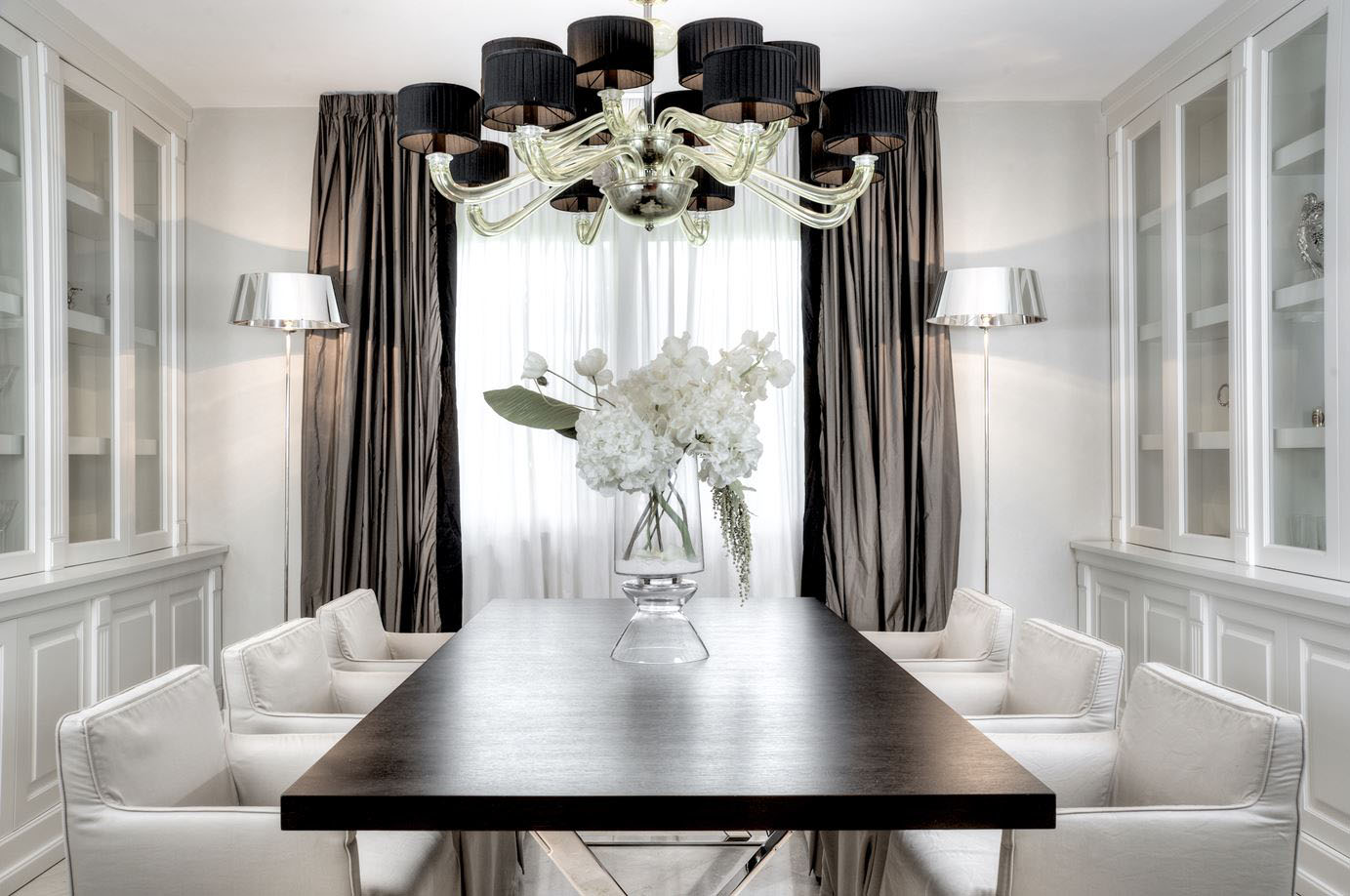
Balance in design refers to the harmonious arrangement of elements so that no single part overpowers the whole. This can be achieved through symmetrical layouts, where elements mirror each other, or asymmetrical balance, where different objects create equilibrium through their visual weight. Proportion, on the other hand, ensures that the size of objects within a space relates to each other in a way that feels natural. For example, a large sectional sofa paired with a delicate side table can feel unbalanced, while carefully scaled artwork above a mantel can enhance the room’s harmony.
Natural Materials and Textures
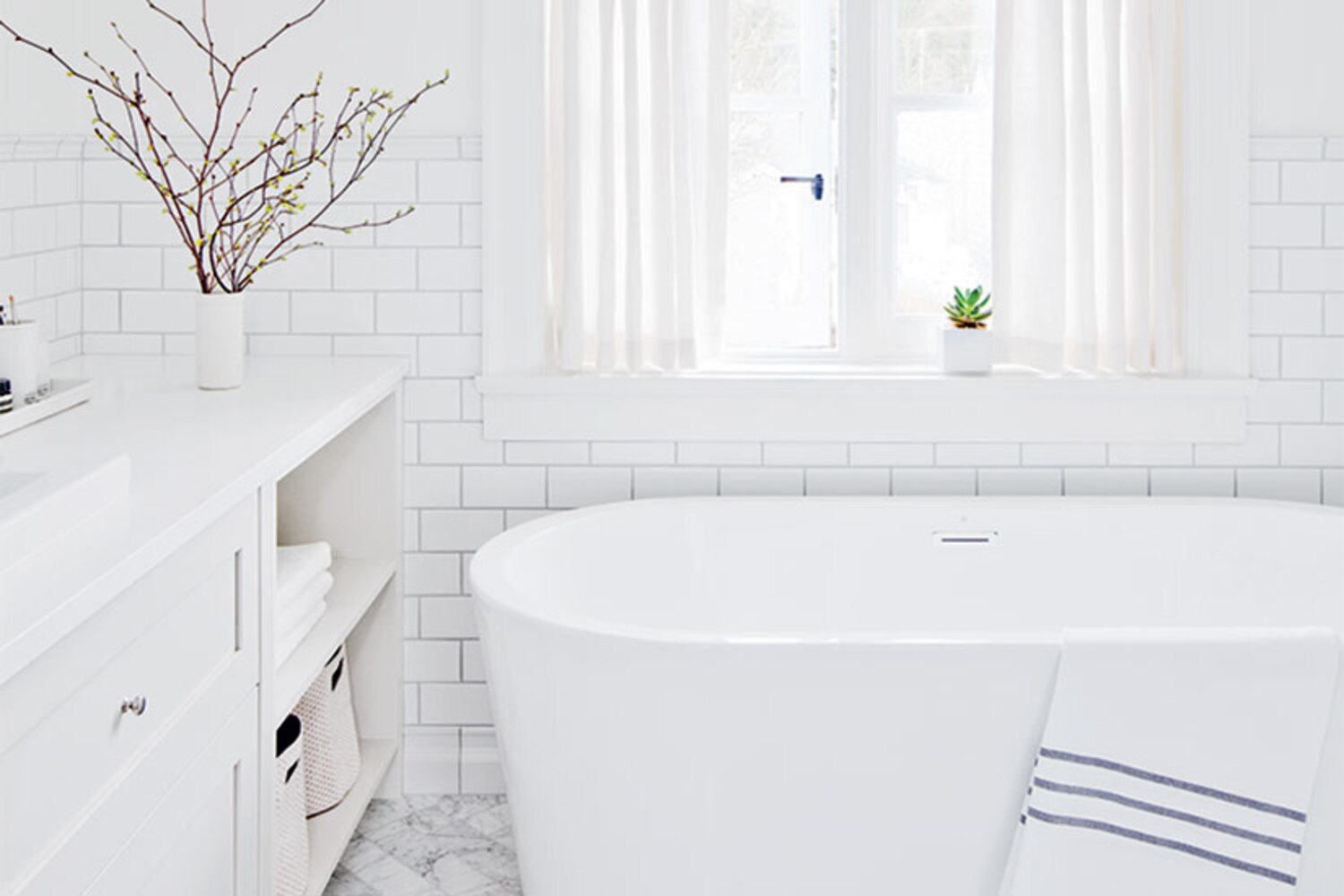
Materials that age gracefully—such as hardwood floors, stone countertops, linen drapes, and wool rugs—add depth and authenticity to a home. Unlike synthetic materials that may wear out or look dated quickly, natural elements develop a patina over time, telling a story of lived-in beauty. For instance, reclaimed wood beams or a marble fireplace surround not only bring warmth and texture but also connect the space to the natural world, grounding it in a sense of permanence.
Neutral Color Palettes with Thoughtful Accents
A neutral color palette forms the canvas of a timeless home, providing a serene backdrop that never goes out of style. Shades like ivory, taupe, soft gray, and warm whites create a sense of calm and spaciousness, allowing other elements in the room to shine. However, timeless design doesn’t mean devoid of color—it’s about using it judiciously. Introduce color through art, textiles, or furniture that can be easily updated without overhauling the entire space. For example, a deep navy blue sofa against a cream backdrop or a bold emerald-green armchair in a neutral living room can add vibrancy while remaining sophisticated.
Architectural Elements That Endure
Architectural details are the skeletal structure of a timeless home, providing character and functionality that withstand the test of time. These elements often require upfront investment but pay dividends in longevity and aesthetic appeal.
Craftsmanship and Custom Millwork
Custom millwork—such as crown molding, wainscoting, or built-in shelving—adds a layer of sophistication and permanence to a home. Unlike mass-produced trim or generic cabinetry, custom woodwork is tailored to the space, ensuring a seamless fit and enduring quality. For example, a dining room with hand-carved paneling or a kitchen with custom cabinetry designed to fit the exact dimensions of the room will always feel more luxurious and intentional than a space filled with off-the-shelf solutions. Investing in skilled craftsmen may come at a higher cost initially, but the result is a home that feels bespoke and irreplaceable.
High-Quality Windows and Doors
Windows and doors are not just functional components; they are architectural statements that define a home’s character. Opting for custom, well-crafted windows with authentic divided lites or French doors with solid wood frames ensures durability and aesthetic appeal. High-quality windows also improve energy efficiency, reducing long-term costs while enhancing the home’s curb appeal. Similarly, a grand entry door with a glass sidelight or a solid wood design can set the tone for the entire property, making it feel inviting and substantial.
Fireplaces and Built-Ins
A fireplace, whether traditional or modern, serves as a focal point that anchors a living space. Stone or brick fireplaces, in particular, have a timeless quality that pairs beautifully with both classic and contemporary interiors. Built-in shelving, window seats, or media consoles also contribute to the home’s architectural integrity by creating cohesive, integrated spaces. These elements encourage a sense of order and intentionality, allowing the home to feel curated rather than cluttered.
Furniture and Decor: Choosing with Intention
Furniture and decor are the heart of a home, shaping both its functionality and its emotional resonance. Timeless design in these areas means selecting pieces that are not only beautiful but also well-made and adaptable to changing needs.
Investing in Heirloom Furniture
Heirloom-quality furniture is built to last, both in terms of durability and style. Pieces like a Chesterfield sofa, a mid-century modern dining table, or a farmhouse-style bed frame are designed to transcend trends. Look for furniture crafted from solid wood, with dovetail joinery, and upholstered in high-quality fabrics like leather, linen, or wool. These materials age gracefully, developing character over time rather than looking worn or outdated. Additionally, choose neutral upholstery colors that can be refreshed with accent pillows or throws as your tastes evolve.
Layering Textiles for Comfort and Warmth
Textiles are the unsung heroes of timeless interiors, adding layers of texture, color, and comfort. A well-designed room often incorporates a mix of rugs, curtains, throw blankets, and pillows to create depth and visual interest. For example, a vintage Persian rug layered over a jute rug can ground a space, while linen curtains filtered with sunlight add softness and movement. When selecting textiles, prioritize natural fibers like cotton, linen, wool, and silk, which not only feel luxurious but also stand the test of time.
Art and Accessories with Meaning
Art and accessories should reflect personal taste while also contributing to the room’s overall harmony. Opt for pieces that evoke emotion or tell a story, whether it’s a family heirloom, a locally sourced sculpture, or a painting that resonates with you. Avoid overly trendy decor that may feel dated in a few years; instead, choose items that have a sense of permanence, such as black-and-white photography, vintage maps, or abstract art in neutral tones. Mirrors, too, are a timeless accessory—they not only reflect light but also add depth and dimension to a room.
Creating a Sense of Continuity
A timeless home feels cohesive, with each room flowing naturally into the next. This sense of continuity is achieved through thoughtful transitions, consistent materials, and a unified design language that ties the entire space together.
Open Floor Plans with Defined Zones
While open floor plans are popular for their ability to create a sense of spaciousness, they require intentional zoning to feel cohesive. Use furniture placement, rugs, or architectural elements like columns or archways to define different areas within a large space. For example, a sectional sofa can delineate the living room area, while a dining table with a statement chandelier can anchor the adjacent dining space. This approach ensures that the home feels open yet structured, allowing for both social interaction and quiet retreat.
Consistency in Finishes and Fixtures
Consistency in finishes—such as cabinet hardware, light fixtures, and plumbing—helps unify a home’s design. For instance, if you choose brushed nickel for cabinet pulls in the kitchen, carry that same finish into the bathroom and hallway for a cohesive look. Similarly, selecting fixtures with clean lines and classic silhouettes (like a simple pendant light or a traditional faucet) ensures that the home’s aesthetic remains cohesive over time. Avoid mixing too many finishes or styles, as this can create visual clutter and detract from the timeless appeal.
Seamless Indoor-Outdoor Flow
A home that feels timeless often blurs the lines between indoor and outdoor spaces, creating a sense of harmony with the natural world. Large sliding glass doors, covered patios, or a conservatory can extend the living area into the garden, allowing for effortless entertaining and relaxation. Use materials like stone, wood, and metal that work both inside and outside to create a seamless transition. For example, a flagstone patio that mirrors the flooring inside or a pergola with the same wood finish as the interior ceiling can unify the spaces aesthetically.
Adapting Timeless Design to Modern Living
Timeless elegance doesn’t mean resisting change—it means designing a home that can evolve with you. The key is to create a flexible framework that accommodates new technologies, shifting lifestyles, and personal growth without sacrificing the home’s core character.
Incorporating Smart Home Technology Discreetly
Modern conveniences like smart lighting, thermostats, and security systems can enhance a home’s functionality without disrupting its timeless aesthetic. The trick is to integrate these technologies seamlessly. For example, choose smart bulbs that can be controlled via a minimalist app or opt for a thermostat with a sleek, unobtrusive design. Conceal wires and speakers within walls or furniture to maintain a clean look. Similarly, smart home hubs can be integrated into custom millwork or a dedicated cabinet, keeping them out of sight while still accessible.
Designing for Multi-Functional Spaces
As families grow and lifestyles change, a home must adapt. Flexible spaces like a home office that doubles as a guest room, or a living room with modular furniture, allow a timeless design to remain practical. For example, a Murphy bed in a guest room can free up floor space when not in use, while a convertible dining table can expand to accommodate large gatherings. The key is to choose furniture and layouts that serve multiple purposes without feeling cluttered or compromised.
Future-Proofing with Sustainable Practices
Sustainability and timeless design go hand in hand. Choosing eco-friendly materials like reclaimed wood, cork flooring, or low-VOC paints not only reduces environmental impact but also ensures that the home remains healthy and non-toxic for years to come. Additionally, investing in energy-efficient systems—such as solar panels, high-performance insulation, or geothermal heating—can future-proof the home against rising utility costs and changing regulations. A sustainable home is inherently timeless because it prioritizes longevity and responsibility over fleeting trends.
Conclusion: A Legacy of Beauty and Function
A home designed with timeless elegance is more than just a shelter; it’s a sanctuary that grows with you, offering comfort, beauty, and functionality for generations. By focusing on foundational principles like balance, natural materials, and craftsmanship, and by thoughtfully curating furniture, decor, and architectural details, you create a space that feels both rooted in tradition and brimming with life. The result is a home that doesn’t just stand the test of time—it becomes a cherished backdrop to the stories of those who inhabit it.
Remember, timeless design isn’t about perfection; it’s about intention. It’s about choosing pieces that resonate with you deeply, whether they’re modern classics, vintage treasures, or handcrafted heirlooms. It’s about creating a space that feels like home—not just today, but for years to come. So take your time, invest wisely, and let your home become a testament to the enduring power of elegance.


More Stories
Timeless Elegance: Crafting Your Home’s Forever Charm
Timeless Elegance: Crafting a Home That Stands the Test of Time
Blending Beauty and Balance: Crafting a Harmonious Home Design