

Introduction & Background
Heritage interior style captures the timeless beauty of the past while making it relevant in modern living spaces. Rooted in centuries of design traditions, this style embraces the elegance of antique craftsmanship, rich textures, and historical motifs. From grand Victorian parlors to cozy Colonial farmhouses, heritage interiors tell stories of cultural heritage and artistic evolution. Today, more homeowners are rediscovering the warmth and character of this design approach, blending it with contemporary comforts to create spaces that feel both nostalgic and fresh. Whether through ornate woodwork, vintage textiles, or classic color palettes, heritage interiors offer a connection to history that resonates deeply in an ever-changing world.
Concept & Overview
Heritage interior style is not merely about decorating with antiques but about curating a narrative of time-honored aesthetics. It draws inspiration from various historical periods, such as Baroque, Rococo, Georgian, and Art Deco, while adapting their principles to suit modern lifestyles. The core idea revolves around authenticity, balance, and harmony, where every piece, whether a chandelier, a Persian rug, or a hand-carved cabinet, serves a purpose beyond function. This style values imperfections as much as grandeur, celebrating the patina of aged materials and the stories they carry. By integrating heritage elements, homeowners create interiors that feel curated rather than staged, evoking a sense of continuity and depth.
Key Features & Highlights
- Rich Material Palette: Heritage interiors often feature natural materials like hardwood, marble, brass, and silk. Dark woods such as mahogany and walnut are staples, lending warmth and sophistication.
- Ornate Details: Intricate moldings, carved paneling, and decorative trims are hallmarks of the style. These elements add layers of visual interest and reflect the craftsmanship of bygone eras.
- Vintage Furniture: Antique or antique-inspired furniture pieces, such as Chesterfield sofas, claw-foot tables, and wingback chairs, anchor the space with timeless appeal.
- Classic Color Schemes: Deep jewel tones like emerald green, royal blue, and burgundy are common, often paired with neutral shades like cream or gold to create contrast and balance.
- Textural Contrast: Layering different textures, such as velvet drapes, leather armchairs, and Persian rugs, adds depth and tactile richness to the room.
- Artistic Accents: Framed oil paintings, antique mirrors, mirrors with gilded frames, and sculptural objects serve as focal points that enhance the heritage aesthetic.
- Symmetry & Proportion: Balanced layouts with symmetrical arrangements are key. Fireplaces, grand staircases, and large windows often serve as architectural anchors.
Frequently Asked Questions / Pros & Cons
What distinguishes heritage interior style from other design styles?
Heritage style is uniquely defined by its reverence for historical authenticity and artisanal craftsmanship. Unlike minimalist or industrial styles that prioritize clean lines or raw materials, heritage interiors embrace ornamentation, rich patinas, and a curated mix of eras. It’s less about following a single period and more about blending elements that evoke nostalgia and cultural richness.
Is heritage interior style suitable for small spaces?
Yes, but it requires thoughtful planning. Opt for smaller antique pieces or reproductions that maintain the aesthetic without overwhelming the room. Mirrors can create the illusion of space, while light-colored walls and strategic lighting help balance the darker tones often found in heritage palettes.
Can heritage style be combined with modern elements?
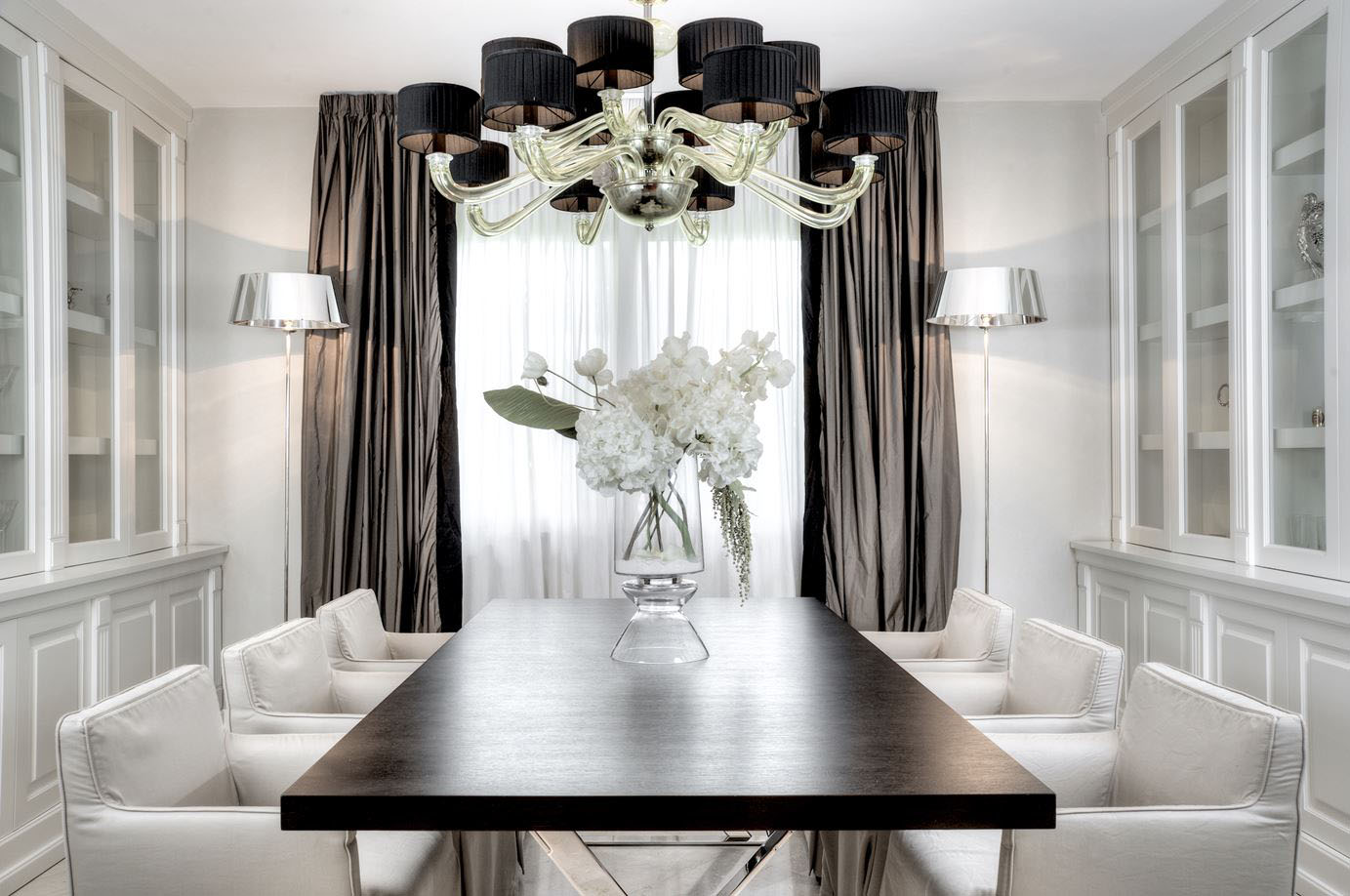
Absolutely. Many designers blend heritage with contemporary touches to create eclectic yet harmonious spaces. For example, a vintage Persian rug can sit atop a sleek modern sofa, or a classic chandelier might illuminate a minimalist dining table. The key is to maintain a cohesive theme through color, texture, or material.
What are the main challenges of adopting this style?
- Cost: Genuine antique furniture and high-quality reproductions can be expensive.
- Maintenance: Materials like silk, brass, and hardwood require regular care to preserve their beauty.
- Balance: Overdoing ornate details can make a space feel cluttered or dated.
Are there any misconceptions about heritage interior style?
One common misconception is that heritage style is stuffy or overly formal. In reality, it can be adapted to fit various personalities and lifestyles. Another myth is that it’s only for large, traditional homes. In truth, even small apartments can embrace this style with the right selection of pieces and thoughtful layout.
Practical Guidance & Solutions
If you’re ready to infuse your home with heritage elegance, start by identifying the historical periods that resonate with you. Visit antique shops, flea markets, or reputable online retailers to source authentic pieces. For those on a budget, consider reproductions or high-quality reproductions that mimic vintage craftsmanship.
When arranging furniture, prioritize symmetry and focal points. A fireplace, a large window, or a statement chandelier can serve as the centerpiece around which the room is designed. Layer textures by mixing materials like leather, velvet, and linen, and don’t shy away from bold patterns such as damask or toile.
Lighting plays a crucial role in heritage interiors. Opt for warm, ambient lighting with dimmer switches to create a cozy atmosphere. Chandeliers, sconces, and table lamps with antique finishes will enhance the vintage ambiance. Finally, add personal touches through framed family photographs, travel souvenirs, or heirloom objects to make the space uniquely yours.
Conclusion
Heritage interior style is more than a design choice; it’s a celebration of history, culture, and artistry. By embracing the timeless elegance of the past, we create spaces that feel both comforting and inspiring. Whether through the grandeur of a Victorian parlor or the simplicity of a Colonial hearth, heritage interiors invite us to slow down and appreciate the beauty of enduring design. As trends come and go, the allure of heritage style remains constant, offering a timeless refuge in an ever-evolving world. So, why not let the whispers of time guide your next interior design journey?


More Stories
Design Harmony With Traditional Aesthetic Elements
Traditional Aesthetic Elements That Elevate Spaces
Whispers of the Past: Weaving Traditional Aesthetic Elements into Modern Living