

Introduction & Background
In a world dominated by fleeting trends and digital innovation, the allure of traditional aesthetic elements remains undiminished. These timeless features, rooted in history and culture, offer a sense of continuity and depth that modern designs often lack. Whether it is the intricate woodwork of a heritage home, the delicate brushstrokes of classical art, or the symmetrical gardens of ancient civilizations, traditional aesthetics carry stories that resonate across generations. Rediscovering these elements is not just an exercise in nostalgia but a celebration of craftsmanship, heritage, and enduring beauty. As society grapples with the rapid pace of change, there is a growing appreciation for the wisdom embedded in these age-old traditions, prompting a renewed interest in their integration into contemporary life.
Concept & Overview
The concept of traditional aesthetic elements revolves around the appreciation and revival of design principles, materials, and techniques that have stood the test of time. These elements are characterized by their emphasis on harmony, balance, and natural inspiration, drawing from cultural practices that have evolved over centuries. Unlike modern minimalism, which often prioritizes simplicity and functionality, traditional aesthetics celebrate ornamentation, richness in texture, and a deep connection to cultural symbolism. They serve as a bridge between the past and present, allowing individuals to infuse their spaces and creations with a sense of authenticity and soul. By understanding the philosophy behind these timeless elements, one can better appreciate their relevance in today’s design landscape.
Key Features & Highlights
- Cultural Symbolism: Traditional aesthetics are deeply intertwined with cultural narratives, often carrying meanings that reflect historical events, religious beliefs, or social values. For example, motifs like the lotus in Asian art symbolize purity and enlightenment, while Celtic knots represent eternal love.
- Handcrafted Excellence: Unlike mass-produced items, traditional elements are typically handcrafted, showcasing meticulous attention to detail and a high level of artistry. This craftsmanship ensures uniqueness and durability, making each piece a testament to the skill of its creator.
- Natural Materials: The use of natural materials such as wood, stone, silk, and clay is a hallmark of traditional aesthetics. These materials not only provide a tactile connection to nature but also age gracefully, developing a patina that tells a story of their journey over time.
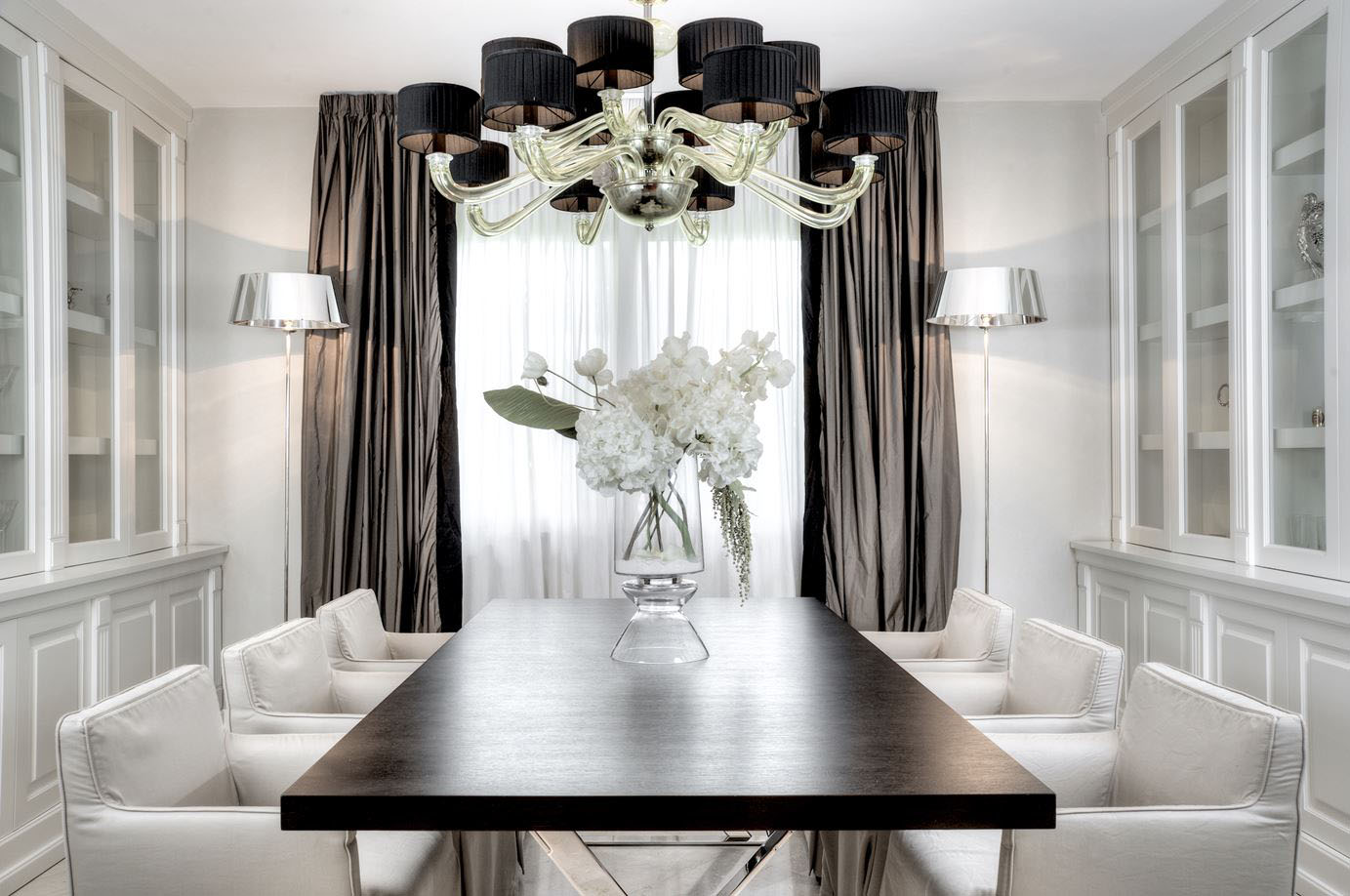
- Balanced Composition: Traditional designs often emphasize symmetry, proportion, and rhythm, creating a sense of order and tranquility. This balance can be seen in everything from the layout of a formal garden to the arrangement of furniture in a classic interior.
- Ornamentation and Pattern: Unlike the clean lines of modern design, traditional aesthetics embrace ornamentation, with intricate patterns and embellishments that add depth and character. These details can be found in textiles, architecture, and decorative arts, serving as focal points that draw the eye and spark conversation.
Frequently Asked Questions / Pros & Cons
What defines traditional aesthetic elements?
Traditional aesthetic elements are defined by their roots in historical and cultural practices, emphasizing craftsmanship, natural materials, and symbolic meanings. They often feature intricate details, balanced compositions, and a connection to heritage, distinguishing them from contemporary designs that prioritize minimalism and innovation.
What are the advantages of incorporating traditional aesthetics?
Incorporating traditional aesthetics offers several benefits. Firstly, it adds a sense of warmth and authenticity to spaces, making them feel more inviting and lived-in. Secondly, traditional elements often come with a story or cultural significance, making them more meaningful than generic modern designs. Additionally, the use of natural materials ensures sustainability and longevity, reducing the need for frequent replacements. Lastly, traditional aesthetics can evoke nostalgia, providing comfort and a sense of continuity in an ever-changing world.
Are there any drawbacks to traditional aesthetics?
While traditional aesthetics have many merits, there are a few potential drawbacks to consider. One challenge is the cost associated with handcrafted or antique pieces, which can be significantly higher than mass-produced alternatives. Additionally, traditional designs may not appeal to those who prefer sleek, contemporary styles, making them feel outdated or overly ornate. Maintenance can also be a concern, as some materials require special care to preserve their beauty over time. Finally, in some contexts, traditional aesthetics may clash with modern infrastructure or design codes, necessitating careful planning to achieve a cohesive look.
How can traditional aesthetics be integrated into modern spaces?
Integrating traditional aesthetics into modern spaces requires a thoughtful approach to balance old and new elements. Start by selecting a few key traditional pieces, such as a vintage rug, a classic chandelier, or a piece of handcrafted pottery, to serve as focal points. Pair these with modern furniture or minimalist decor to create contrast and harmony. Another strategy is to use traditional colors, textures, or patterns in subtle ways, such as through wallpaper, textiles, or artwork. The goal is to create a dialogue between the past and present, allowing each element to shine without overwhelming the space.
Practical Guidance & Solutions
To successfully incorporate traditional aesthetic elements into your life or space, consider the following actionable steps. First, start by identifying the traditional elements that resonate most with you. This could be anything from a specific architectural style, like Victorian or Colonial, to a cultural motif like Moroccan tiles or Japanese shoji screens. Research these elements to understand their origins, meanings, and appropriate uses.
Next, assess your space or project with a critical eye. Determine where traditional elements can enhance the existing design without overpowering it. For example, if you have a modern home with clean lines, consider adding a traditional fireplace mantel or crown molding to introduce warmth and character. Alternatively, use traditional textiles, such as Persian rugs or Indian block-print fabrics, to bring texture and color into a minimalist room.
When sourcing traditional pieces, prioritize quality and authenticity. Visit antique shops, flea markets, or reputable dealers to find handcrafted items that align with your vision. If budget is a concern, look for reproductions or DIY projects that mimic traditional styles using accessible materials. For instance, stenciling patterns onto walls or repurposing vintage furniture can achieve a traditional look without the high cost of originals.
Finally, don’t be afraid to experiment. Traditional aesthetics thrive on creativity, so mix and match elements from different cultures or time periods to create a unique narrative. The key is to maintain a sense of harmony by ensuring that each piece complements the others and contributes to the overall theme. By taking a thoughtful and intentional approach, you can seamlessly blend the whispers of the past with the demands of the present.
Conclusion
In a world that often races toward the future, the whispers of the past offer a gentle reminder of the beauty that lies in tradition. Rediscovering timeless aesthetic elements is more than a stylistic choice, it is a way to honor the craftsmanship, stories, and values that have shaped cultures for generations. Whether through the grandeur of a historic building, the quiet elegance of a handwoven textile, or the balanced symmetry of a classical garden, traditional aesthetics provide a sense of grounding and meaning. By embracing these elements, we not only preserve their legacy but also enrich our own lives with depth, character, and a deeper connection to the world around us. As we move forward, let us carry these whispers with us, weaving them into the fabric of our modern lives to create spaces and experiences that are both timeless and deeply personal.


More Stories
Design Harmony With Traditional Aesthetic Elements
Traditional Aesthetic Elements That Elevate Spaces
Whispers of the Past: Weaving Traditional Aesthetic Elements into Modern Living