

# Timeless Home Style: Where Classic Meets Modern
## The Allure of Timeless Home Design
There’s something deeply comforting about a home that feels both familiar and effortlessly stylish. Timeless home design bridges the gap between tradition and contemporary living, creating spaces that never go out of fashion. Unlike trends that fade with the seasons, a timeless style evolves gracefully, blending historical elegance with modern convenience. It’s about creating a sanctuary that feels warm, inviting, and endlessly relevant.
At its core, timeless design prioritizes quality over quantity. It favors natural materials, clean lines, and thoughtful details that stand the test of time. Whether it’s a vintage-inspired armchair, a marble fireplace, or a well-crafted wooden dining table, these elements bring character and depth to a home. More than just aesthetics, timeless style is about cultivating an environment where every piece has purpose and meaning.
## Why Choose a Timeless Aesthetic Over Trends
In a world where interior design trends change as frequently as social media feeds, committing to a timeless style can feel like a radical act of rebellion—or perhaps, a wise investment. Trends, by nature, are fleeting. What’s popular today may look dated in just a few years. A timeless home, on the other hand, remains beautiful and functional regardless of the calendar. It doesn’t rely on gimmicks or short-lived fads but instead draws from enduring principles of balance, proportion, and harmony.
Another compelling reason to embrace timeless design is its adaptability. A classic foundation allows you to refresh your space with modern accents without losing the soul of the room. Imagine a Georgian-style home with sleek, minimalist furnishings, or a mid-century modern living room warmed by a Persian rug. The key is in the harmony—the way old and new coexist without competition. This flexibility also makes timeless homes more sustainable, reducing the need for frequent renovations or replacements.
## Key Elements of Timeless Home Design
### Natural Materials
One of the hallmarks of timeless design is the use of natural materials. Wood, stone, linen, wool, and leather don’t just look beautiful—they age gracefully. A reclaimed oak floor develops a rich patina over time, while a marble countertop gains character with each use. These materials also connect us to the earth, creating a sense of warmth and authenticity that synthetic alternatives often lack.
### Neutral Color Palettes
While bold colors can be exciting, a neutral palette forms the backbone of timeless design. Shades like cream, beige, taupe, soft gray, and warm white create a calm, cohesive backdrop that allows furniture and decor to shine. They also make it easier to update your space with seasonal accessories or trend-driven accents without a complete overhaul. Think of neutral walls as a blank canvas—endlessly versatile and always in style.
### Classic Architectural Details
Architectural elements like crown molding, wainscoting, and coffered ceilings add depth and elegance to a home. These details, often inspired by historical styles, bring a sense of grandeur and permanence. Even in modern homes, subtle nods to traditional architecture—such as arched doorways or built-in shelving—can elevate the space from ordinary to extraordinary.
### Quality Craftsmanship
Timeless design isn’t just about what you choose—it’s about how things are made. Investing in well-crafted furniture and finishes ensures longevity and durability. Handmade pieces, solid wood construction, and attention to detail are all signs of quality that stand out in a world of mass-produced goods. A timeless home is built to last, both structurally and aesthetically.
## Blending Classic and Modern: Practical Tips
### Start with a Neutral Foundation
Begin by establishing a neutral base with walls, floors, and large furniture pieces. This creates a blank slate that allows you to layer in both classic and modern elements seamlessly. A neutral sofa, for example, can be paired with a vintage coffee table and contemporary art, striking a perfect balance between eras.
### Mix Furniture Styles Thoughtfully
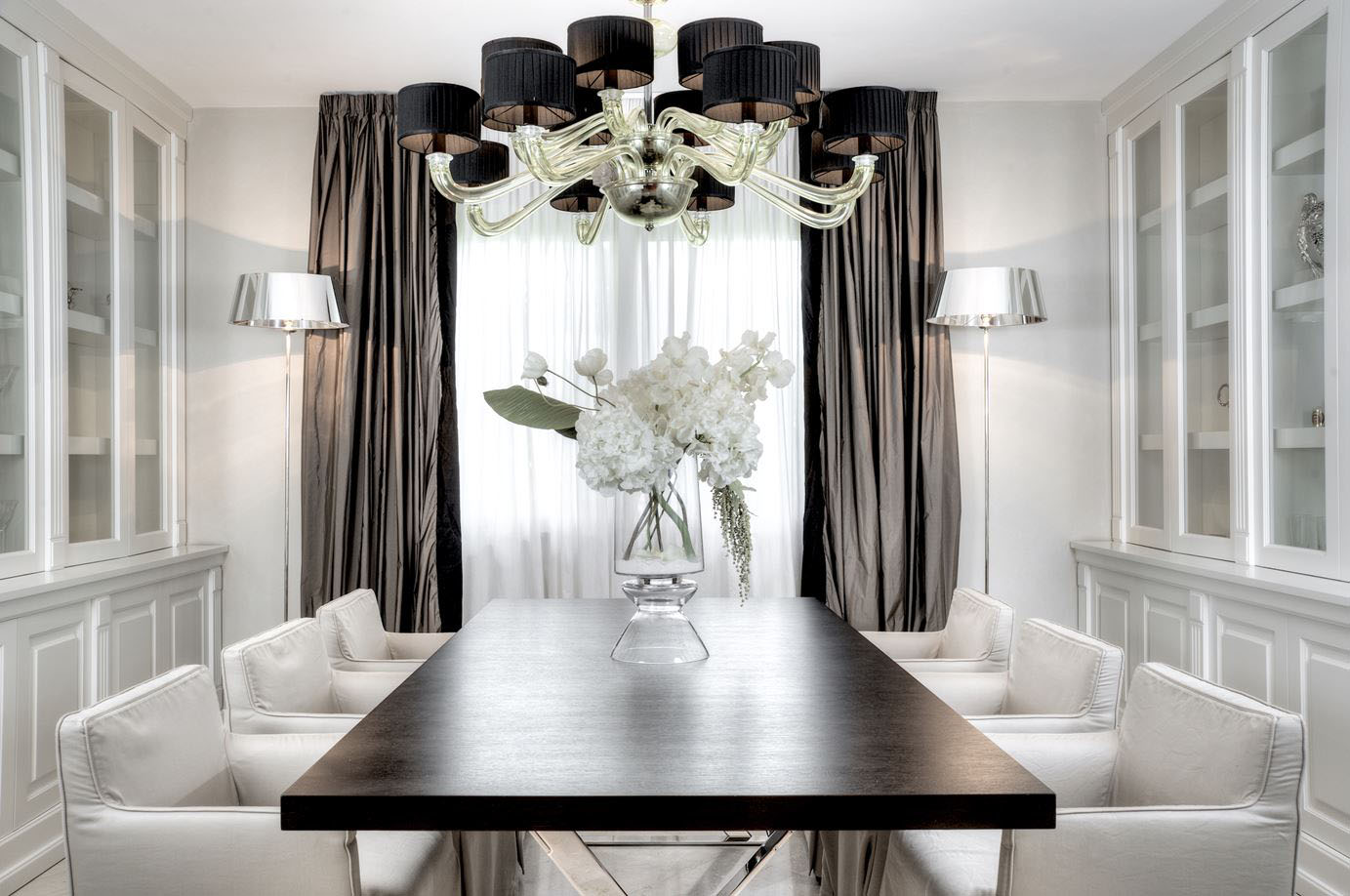
Don’t be afraid to combine different styles—just do it with intention. A classic Chesterfield sofa can look stunning in a modern loft with a sleek glass coffee table and abstract sculptures. The key is to create visual harmony by playing with scale, color, and texture. For instance, pairing a modern glass dining table with upholstered chairs in a classic fabric can bridge the gap between old and new.
### Use Color as a Bridge
Color is one of the easiest ways to blend classic and modern aesthetics. Warm, earthy tones like ochre, olive green, and deep navy can ground a space with traditional roots, while softer pastels or bold jewel tones can introduce a contemporary twist. Consider using color in accessories like throw pillows, rugs, or artwork to tie the room together without overwhelming it.
### Balance Ornamentation with Simplicity
Classic interiors often feature ornate details, while modern spaces tend to favor clean lines and minimalism. To blend the two, choose one area to be more decorative—perhaps a statement chandelier or an intricately carved mirror—and keep the rest of the room uncluttered. This approach ensures that the space feels cohesive rather than chaotic.
## Timeless Rooms: Inspiration by Space
### The Living Room: A Sanctuary of Comfort
The living room is the heart of the home, a place for relaxation and connection. To achieve a timeless look, start with a neutral sofa in a durable fabric like linen or leather. Add depth with a vintage-inspired rug, perhaps with a Persian or Oriental pattern, and layer in throw blankets and cushions in complementary textures. A classic fireplace—whether original or a stylish electric alternative—can serve as the focal point, surrounded by bookshelves filled with both modern and antique books.
For modern touches, consider a sculptural floor lamp, a piece of abstract art, or a sleek media console. The goal is to create a space that feels lived-in and welcoming, where every piece tells a story.
### The Kitchen: Where Tradition Meets Innovation
Kitchens are one of the most functional spaces in the home, but they can also be incredibly stylish. Timeless kitchens often feature Shaker-style cabinets, marble or butcher block countertops, and subway tile backsplashes. These elements have been popular for decades because they work hard and look beautiful.
To incorporate modern elements, consider open shelving with minimalist dishware, pendant lighting with clean lines, or a high-tech appliance that blends seamlessly into the design. The contrast between the traditional cabinetry and contemporary fixtures creates a dynamic yet harmonious space.
### The Bedroom: A Retreat of Serenity
A timeless bedroom should feel like a peaceful retreat. Start with a substantial, well-crafted bed—perhaps a four-poster or upholstered model in a neutral fabric. Layer in bedding with natural fibers like cotton or linen, and add a classic area rug underfoot. Vintage-inspired lighting, such as a brass table lamp or a wrought-iron chandelier, can add warmth and character.
For a modern twist, introduce a piece of contemporary art above the bed, or swap out heavy drapes for sleek roller shades. The key is to keep the space calming and clutter-free, allowing the timeless elements to shine.
### The Bathroom: Luxury in Simplicity
Timeless bathrooms often feature marble or stone surfaces, freestanding tubs, and brass or chrome fixtures. These materials and fixtures have been prized for centuries for their durability and elegance. To modernize the look, pair a clawfoot tub with a minimalist vanity and a frameless glass shower enclosure.
Consider adding a few contemporary touches, such as a geometric mirror, a sleek faucet, or a textured tile accent wall. The result is a bathroom that feels both luxurious and up-to-date.
## The Role of Art and Decor in Timeless Design
Art and decor are the finishing touches that bring a timeless home to life. When selecting pieces, focus on quality and meaning over quantity. A single, well-chosen painting can anchor a room, while a collection of vintage photographs adds personality and history.
For a modern twist, consider abstract art with a neutral color palette or a bold sculpture that plays with form and texture. Mirrors are another timeless decor element—they reflect light, create the illusion of space, and add depth to any room.
When it comes to decor, less is often more. Instead of filling shelves with knick-knacks, opt for a few meaningful objects, such as a family heirloom, a piece of pottery, or a carefully curated stack of books. These items tell a story and give the space a sense of authenticity.
## Sustainable Timeless Design: A Responsible Choice
In an era of fast furniture and disposable decor, timeless design offers a sustainable alternative. By investing in quality pieces that last, you reduce waste and support ethical craftsmanship. Natural materials like wood, stone, and linen are not only beautiful but also biodegradable and renewable.
Another aspect of sustainable timeless design is repurposing and upcycling. A thrifted armchair can be reupholstered to fit your style, or an old dining table can be refinished to look brand new. This approach not only saves money but also reduces your environmental footprint.
## Final Thoughts: Creating a Home That Stands the Test of Time
A timeless home is more than just a collection of beautiful objects—it’s a reflection of your values, your history, and your vision for the future. It’s a space where classic elegance meets modern convenience, where every detail is intentional, and where you can truly feel at home.
By focusing on natural materials, neutral palettes, quality craftsmanship, and thoughtful blending of styles, you can create a home that feels both timeless and uniquely yours. Whether you live in a historic property or a contemporary space, the principles of timeless design can be adapted to suit your needs and personality.
Remember, the goal isn’t to create a museum piece but a living, breathing home that evolves with you. It’s about surrounding yourself with things you love—things that bring you joy, comfort, and inspiration every day. In a world that’s constantly changing, a timeless home is your sanctuary, your anchor, and your greatest investment.


More Stories
Timeless Elegance: Crafting Your Home’s Forever Charm
Timeless Elegance: Crafting a Home That Stands the Test of Time
Blending Beauty and Balance: Crafting a Harmonious Home Design