

The Timeless Allure of Vintage Interior Style
In an era dominated by sleek, minimalist designs and cutting-edge smart homes, the vintage interior style stands as a testament to the enduring charm of the past. More than just a trend, vintage design embodies a sense of history, craftsmanship, and nostalgia that resonates deeply with those seeking warmth and character in their living spaces. Whether it’s the rich textures of mid-century modern furniture, the ornate details of Art Deco accents, or the rustic simplicity of farmhouse décor, vintage style offers a way to infuse elegance and personality into any home. But what exactly makes this aesthetic so captivating, and how can one incorporate it thoughtfully without falling into the trap of cluttered kitsch?
Defining Vintage: More Than Just Old Furniture
Vintage interior style isn’t merely about filling a room with old items; it’s about curating pieces that tell a story and evoke a sense of time. Unlike antique furniture, which is typically over 100 years old, vintage pieces are usually between 20 to 100 years old. This distinction allows for a broader range of designs, from the bold geometric patterns of the 1970s to the soft pastels and floral motifs of the 1950s. The key lies in selecting items with character—think claw-foot bathtubs, vintage chandeliers, or weathered wooden dressers—that carry the patina of age and use.
Moreover, vintage style isn’t confined to one specific era. It’s a fluid concept that can blend elements from different decades to create a unique, personalized look. For instance, pairing a 1940s tufted velvet sofa with a 1970s shag rug and a 1920s Art Deco side table can result in a space that feels both eclectic and cohesive. The magic of vintage design lies in its ability to transcend time, allowing homeowners to craft interiors that feel both familiar and fresh.
The Psychological Appeal of Vintage Design
Beyond aesthetics, vintage interior style offers psychological benefits that modern minimalism often lacks. In a world of disposable furniture and mass-produced goods, vintage pieces provide a sense of authenticity and permanence. They remind us of a time when objects were built to last, and every detail was crafted with care. This connection to the past can evoke feelings of comfort and nostalgia, making a house feel more like a home.
Studies have shown that environments rich in texture and history can reduce stress and promote well-being. The tactile quality of vintage fabrics, the warmth of aged wood, and the intricate details of antique metalwork engage our senses in ways that sterile, contemporary spaces often do not. For many, vintage interiors evoke memories of childhood homes, grandparent’s houses, or even fictional worlds from literature and film, adding an emotional layer to the design.
Key Elements of Vintage Interior Style
To successfully incorporate vintage elements into a home, it’s essential to understand the core components that define this style. Here are some of the most iconic features:
- Furniture with Character: Look for pieces with curved lines, carved details, and rich upholstery. Mid-century modern furniture, for example, is prized for its clean lines and organic shapes, while Victorian pieces often boast elaborate woodwork and tufting.
- Rich Textiles: Vintage textiles include velvet, brocade, lace, and wool. These fabrics add depth and warmth to a space, whether in the form of a Persian rug, a velvet armchair, or lace curtains.
- Metallic Accents: Brass, copper, and gold-toned metals are staples of vintage design. Think ornate candlesticks, vintage mirrors with gilded frames, or brass drawer pulls.
- Pattern and Print: From floral wallpapers to geometric tiles, vintage interiors often embrace bold patterns. However, balance is key—mixing too many prints can overwhelm a space.
- Natural Materials: Wood, stone, and marble are common in vintage design, lending a sense of earthiness and authenticity. Reclaimed wood tables, marble countertops, and stone fireplaces are all excellent choices.
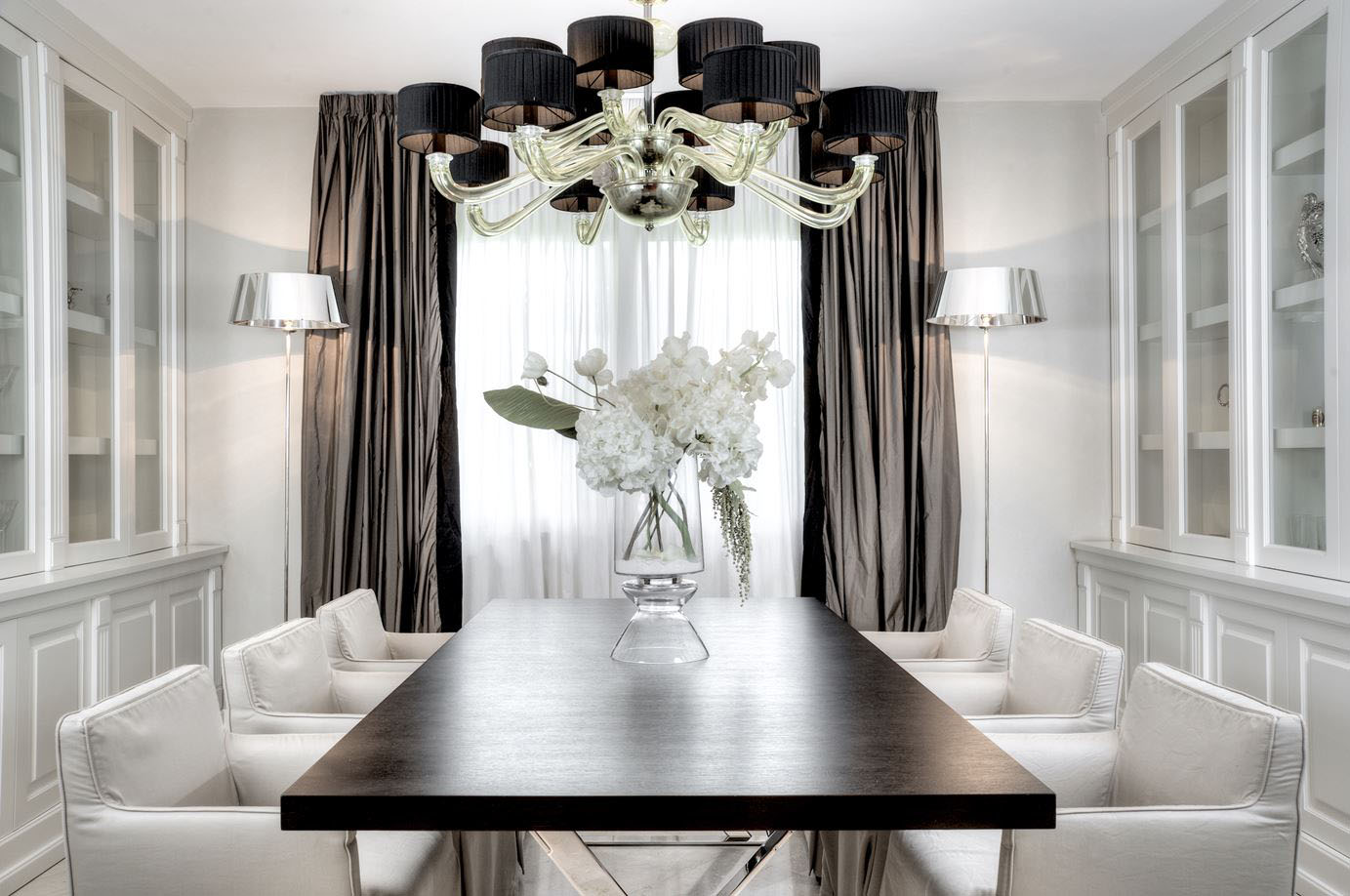
- Lighting with History: Vintage lighting fixtures, such as chandeliers, sconces, and table lamps, can serve as statement pieces. Look for designs from the early to mid-20th century, such as Art Nouveau glass lamps or retro pendant lights.
Blending Vintage with Modern: Creating a Balanced Look
One of the most common misconceptions about vintage interior design is that it requires a home to be entirely frozen in time. In reality, the most successful vintage-inspired spaces are those that blend old and new seamlessly. The goal is to create a harmonious balance where vintage pieces shine without overwhelming the room.
Start by selecting a focal point—a statement piece like a vintage chandelier or an antique armoire—and build the rest of the room around it. For example, pair a 1950s dresser with modern, streamlined bedding to create a contrast that feels intentional rather than disjointed. Alternatively, mix vintage textiles with contemporary furniture to add warmth and texture without sacrificing comfort.
Another approach is to use vintage elements as accents rather than primary features. A single vintage rug in a modern living room can add depth, while a cluster of antique vases on a sleek console table can serve as a conversation starter. The key is to keep the overall palette cohesive—neutral walls and floors allow vintage pieces to stand out without clashing with contemporary elements.
Where to Find Authentic Vintage Treasures
For those eager to embrace vintage style, the hunt for authentic pieces can be as rewarding as the end result. Thrift stores, antique shops, flea markets, and online marketplaces like Etsy and Chairish are treasure troves for vintage finds. However, sourcing the right pieces requires patience and a discerning eye.
When shopping for vintage items, consider the following tips:
- Inspect for Quality: Look for solid wood construction, dovetail joints, and sturdy hardware. Avoid pieces with excessive wear or damage unless you’re prepared for a restoration project.
- Check for Authenticity: Familiarize yourself with the hallmarks of different eras. For example, mid-century modern furniture often features tapered legs and teak wood, while Art Deco pieces may have chrome accents and sunburst motifs.
- Negotiate Prices: Many vintage sellers are open to haggling, especially if you’re purchasing multiple items. Don’t be afraid to ask for a discount.
- Consider Condition: Some vintage pieces may need refinishing, reupholstering, or repairs. Factor in the cost of restoration when budgeting for your purchase.
- Think Outside the Box: Vintage doesn’t always mean furniture. Look for unique decor items like old postcards, vintage cameras, or retro kitchenware to add personality to your space.
The Sustainability of Vintage Design
In an age where sustainability is increasingly important, vintage interior design offers an eco-friendly alternative to fast furniture. By choosing pre-loved pieces, you’re not only reducing waste but also supporting a circular economy. Vintage items are inherently sustainable because they’re already in existence—they don’t require new resources to produce, and they often outlast mass-produced furniture in terms of durability.
Moreover, vintage design encourages a slower, more mindful approach to decorating. Instead of chasing fleeting trends, you invest in timeless pieces that can be passed down through generations. This mindset aligns with the principles of slow living, where quality and longevity take precedence over disposability.
Common Mistakes to Avoid in Vintage Interior Design
While vintage style is undeniably charming, it’s easy to veer into territory that feels more like a museum exhibit than a lived-in home. Here are some common pitfalls to avoid:
- Overcrowding: Just because an item is vintage doesn’t mean it belongs in your home. Be selective and curate pieces that truly resonate with you.
- Ignoring Scale: Oversized vintage furniture can overwhelm a small space, while undersized pieces may look lost in a large room. Always consider the proportions of your space before making a purchase.
- Mismatched Eras: While eclectic mixing is encouraged, blending too many eras without a unifying theme can result in a chaotic look. Aim for a cohesive narrative in your design.
- Skipping the Lighting: Vintage interiors often rely on warm, ambient lighting. Poor lighting can make even the most beautiful vintage pieces feel dull. Invest in soft, layered lighting to enhance the cozy atmosphere.
- Neglecting Functionality: Aesthetics are important, but comfort and usability should never be sacrificed. Ensure that vintage pieces serve a purpose in your daily life.
Inspiration from Around the World
Vintage interior design isn’t confined to a single culture or region—it’s a global phenomenon with unique expressions in every corner of the world. For example, the shabby chic style, popularized in the UK, embraces distressed furniture and soft pastels, while the French country aesthetic is characterized by warm woods, toile fabrics, and wrought-iron details. In Japan, kintsugi—the art of repairing broken pottery with gold—inspires a philosophy of embracing imperfection in design.
Exploring these diverse interpretations can spark creativity and help you tailor vintage style to your personal taste. Whether you’re drawn to the opulence of Hollywood Regency, the simplicity of Scandinavian vintage, or the rustic charm of American farmhouse, there’s a vintage aesthetic waiting to be discovered.
Creating a Vintage-Inspired Home: Practical Steps
If you’re ready to bring the timeless allure of vintage style into your home, here’s a step-by-step guide to get you started:
- Start Small: Begin with a single room or even a corner of a room. Introduce vintage accents like a framed vintage poster, a retro clock, or an antique mirror to test the waters.
- Choose a Color Palette: Vintage interiors often feature muted, earthy tones like mustard yellow, olive green, burnt orange, and soft blues. Complement these with neutrals like cream, beige, and gray to create balance.
- Layer Textures: Combine different materials like wood, metal, and fabric to add depth. For example, layer a vintage Persian rug over a sisal rug, or drape a lace throw over a leather armchair.
- Invest in Key Pieces: Rather than filling your home with cheap reproductions, save up for one or two high-quality vintage items that will serve as the foundation of your design.
- Don’t Forget the Walls: Wallpaper, paneling, or even a gallery wall of vintage art can enhance the vintage vibe. Look for patterns that reflect your chosen era, such as damask, toile, or geometric prints.
- Accessories Matter: Small details like vintage books, old cameras, or retro kitchenware can elevate the overall aesthetic. Display these items on shelves, mantels, or coffee tables to add personality.
- Embrace Imperfection: The beauty of vintage style lies in its imperfections. Don’t shy away from pieces with scratches, chips, or faded paint—these details tell a story.
The Future of Vintage Design
As sustainability and individuality continue to shape interior design trends, vintage style is poised for a renaissance. Younger generations, particularly millennials and Gen Z, are increasingly drawn to the authenticity and eco-consciousness of vintage décor. This shift is evident in the rising popularity of thrift shopping, upcycling, and mid-century modern reproductions.
Moreover, the digital age has made it easier than ever to source vintage pieces from around the world. Online marketplaces and social media platforms like Instagram and Pinterest allow enthusiasts to connect, share inspiration, and celebrate the beauty of vintage design. As we move forward, vintage style will likely evolve to incorporate more contemporary elements, creating hybrid designs that honor the past while embracing the future.
Final Thoughts: Why Vintage Style Endures
In a world that often prioritizes speed and convenience, vintage interior design offers a refreshing alternative—a reminder that beauty and functionality can coexist with history and meaning. It’s a style that doesn’t just decorate a space; it transforms it into a sanctuary of stories, textures, and timeless elegance. Whether you’re a purist who prefers the clean lines of the 1950s or a maximalist who loves the opulence of the 1920s, vintage design invites you to slow down, appreciate the past, and create a home that feels uniquely yours.
So, the next time you’re tempted by the allure of a brand-new, mass-produced sofa, consider the alternative: a vintage piece with soul, waiting to be rediscovered. After all, true elegance isn’t about how new something is—it’s about how alive it makes you feel.


More Stories
Vintage Timeless Charm for Everyday Beauty
Vintage Timeless Charm for Peaceful Ambiance
Elegance in Every Era: The Timeless Charm of Vintage