

Introduction & Background
Interior design is more than just arranging furniture or choosing color palettes. It is about creating a living space that reflects timeless elegance while adapting to the evolving needs of its inhabitants. A home that speaks through the ages is not merely a structure but a narrative of history, culture, and personal identity. This concept has gained traction as homeowners increasingly seek to blend classic charm with modern functionality. The result is an interior that feels both familiar and fresh, capable of standing the test of time without appearing outdated or overly trendy. In an era where disposable design dominates, crafting a timeless interior style offers a sustainable and meaningful alternative.
Concept & Overview
Timeless interior style revolves around creating a space that transcends fleeting trends and seasonal fads. It focuses on enduring principles such as balance, proportion, and harmony rather than chasing the latest design craze. The core idea is to build a foundation of classic elements, think natural materials, neutral color schemes, and clean lines, that can be refreshed periodically without losing their essence. This approach values quality over quantity, favoring well-crafted furniture and finishes that age gracefully. By prioritizing durability and adaptability, a timeless interior becomes a canvas that evolves with the homeowner’s life while retaining its inherent character.
Key Features & Highlights
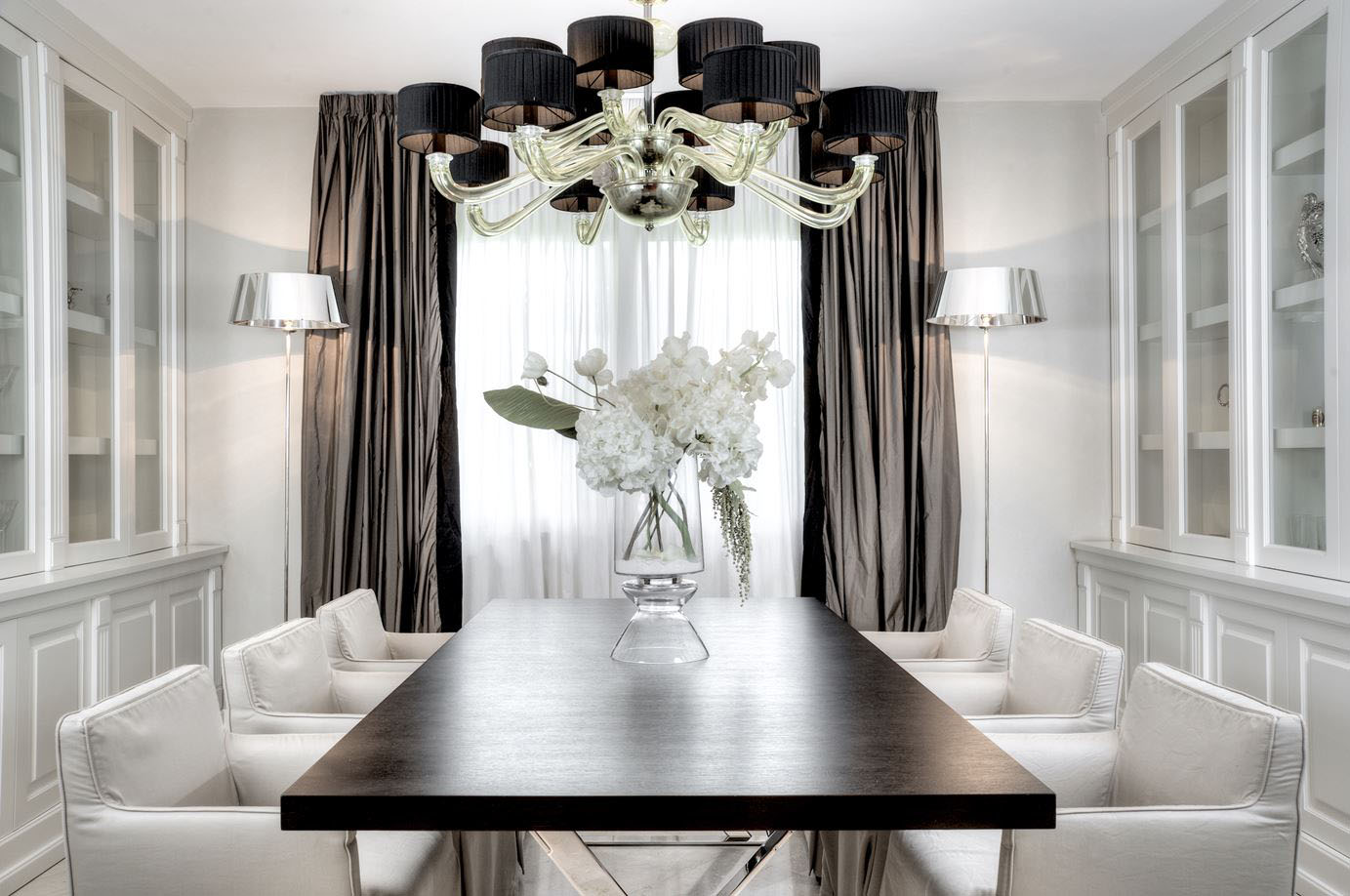
- Natural Materials: Incorporating materials like solid wood, stone, linen, and leather ensures warmth and authenticity. These materials not only age beautifully but also add a tactile richness that mass-produced alternatives often lack.
- Neutral Color Palettes: Shades such as beige, cream, soft gray, and warm taupe create a serene backdrop that allows for easy updates through accessories and accents. Neutral tones are versatile and can be layered with bolder hues as needed.
- Classic Furniture Pieces: Investing in timeless furniture designs, such as the Chesterfield sofa, Eames lounge chair, or a farmhouse dining table, ensures longevity. These pieces are recognized for their craftsmanship and ability to complement various decor styles.
- Balanced Proportions: Thoughtful scaling in furniture and decor prevents spaces from feeling either overly crowded or stark. Proportion is key to achieving a harmonious and inviting atmosphere.
- Layered Lighting: Combining ambient, task, and accent lighting creates depth and functionality. Natural light is maximized through window treatments that allow for control without blocking sunlight entirely.
- Minimal Ornamentation: Avoiding excessive embellishments keeps the space focused on its architectural and material beauty. Subtle details, such as crown molding or a single statement artwork, add character without overwhelming the design.
Frequently Asked Questions / Pros & Cons
What makes a style truly timeless?
A timeless style is rooted in enduring design principles rather than fleeting trends. It prioritizes quality, craftsmanship, and simplicity, allowing the space to feel relevant regardless of the era. Timeless interiors often draw inspiration from historical periods such as mid-century modern, Scandinavian, or traditional European design but are not bound by them.
Can a timeless interior still feel modern?
Absolutely. Timeless design is not synonymous with outdated or old-fashioned. By incorporating clean lines, open spaces, and contemporary materials alongside classic elements, a home can feel both timeless and modern. The key is to avoid overly ornate or trendy details that may date the space quickly.
How do I balance personal taste with timeless design?
Start with a neutral foundation and gradually introduce personal touches through decor, artwork, or textiles. Timeless design provides a backdrop that enhances personal expression without overwhelming it. Choose one or two statement pieces that reflect your personality while keeping the overall look cohesive.
Is timeless interior design expensive?
While high-quality materials and furniture often come with a higher upfront cost, timeless design can be more cost-effective in the long run. Durable pieces reduce the need for frequent replacements, and neutral bases allow for easy updates without major renovations. Investing in fewer, better items is a sustainable approach that saves money over time.
What are the drawbacks of timeless design?
The primary challenge is that it requires patience and a long-term perspective. Homeowners may need to resist the urge to follow trends, which can be difficult in a fast-paced design world. Additionally, some may perceive timeless interiors as too conservative or lacking in personality, though this can be addressed through thoughtful personalization.
Practical Guidance & Solutions
Creating a timeless interior begins with a clear vision. Start by decluttering your space to identify what truly matters. Invest in foundational pieces that align with your lifestyle and aesthetic preferences. For example, a well-made sofa or a sturdy dining table can anchor a room and serve as a long-term investment.
When selecting colors, opt for a neutral base palette and introduce color through easily changeable elements like throw pillows, rugs, or artwork. This allows you to refresh the space periodically without a complete overhaul. For walls and large surfaces, choose matte or eggshell finishes, as they tend to hide imperfections and age more gracefully than high-gloss options.
Lighting plays a pivotal role in timeless design. Layer your lighting by combining overhead fixtures with task and accent lighting. Natural light should be maximized through unobstructed windows and sheer window treatments. Consider installing dimmer switches to adjust the ambiance as needed.
Finally, don’t overlook the importance of texture. Incorporate a variety of materials such as wool, linen, wood, and metal to add depth and interest. Textured surfaces not only enhance visual appeal but also contribute to a cozy and inviting atmosphere. Remember, timeless design is not about perfection but about creating a space that feels authentic and lived-in.
If you’re unsure where to begin, start with one room as a pilot project. Experiment with different layouts and decor choices until you find a balance that resonates with you. Over time, you’ll develop a deeper understanding of what works best for your home and lifestyle.
Conclusion
A home that speaks through the ages is more than just a dwelling. It is a sanctuary that tells a story, one that evolves with its inhabitants while retaining its core identity. Timeless interior style is not about rejecting change but about embracing it thoughtfully. By focusing on quality, balance, and personal expression, you can create a space that feels both timeless and uniquely yours. As trends come and go, your home will stand as a testament to enduring elegance, a place where memories are made and traditions are celebrated. Whether you’re renovating a single room or designing your dream home from scratch, remember that the most timeless interiors are those that feel authentic, welcoming, and deeply personal.


More Stories
Timeless Interior Elegance Made Simple
Cozy Corners With Timeless Interior Elegance
Bright Homes Enhanced by Timeless Interior Elegance